

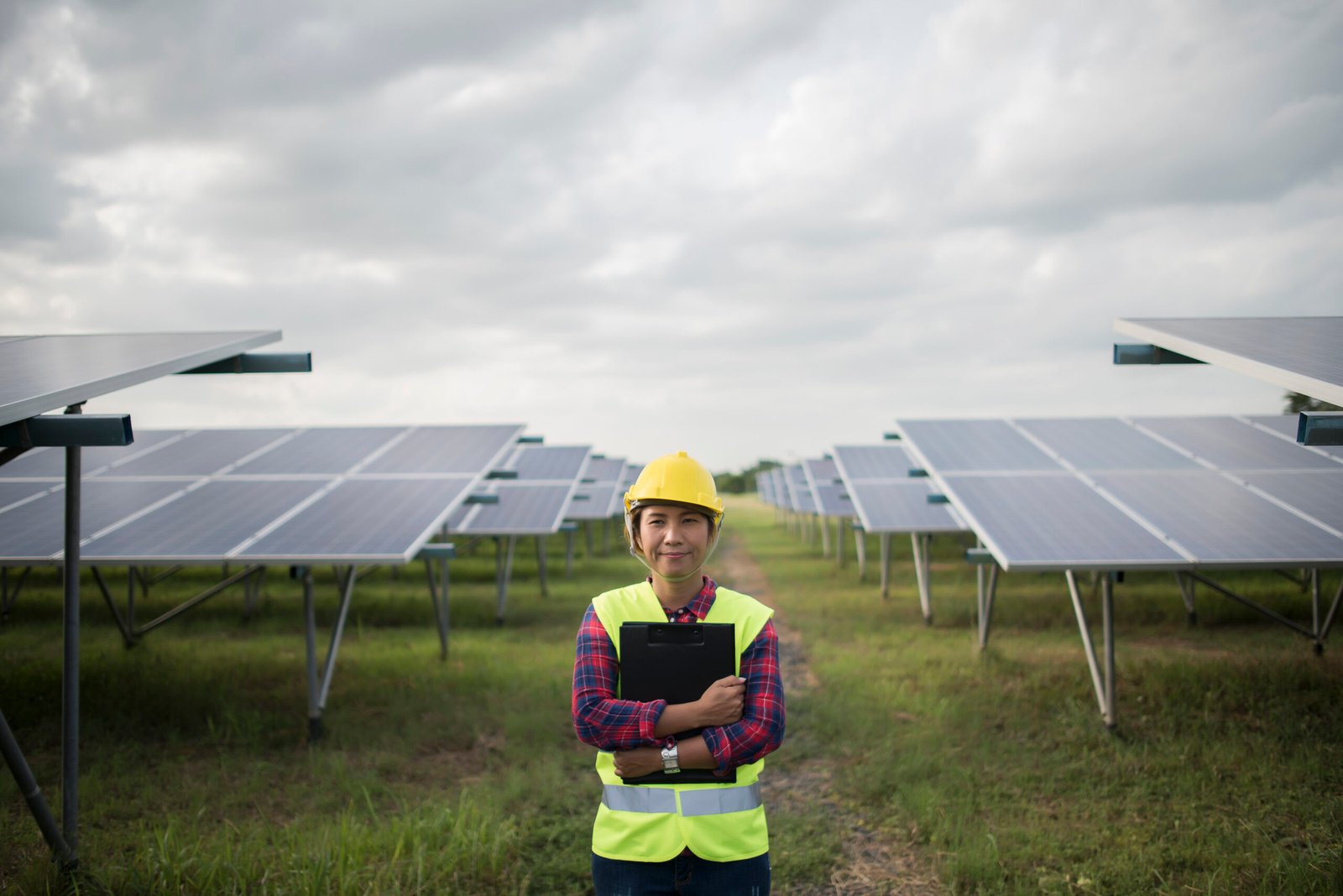
As we move toward 2025, solar power is no longer just an optional upgrade — it has become a strategic necessity for the industrial and commercial sectors. Driven by rapid adoption, cutting-edge innovation, and the growing need for energy independence, businesses are increasingly turning to Solar Panel Projects to secure long-term stability. Rising electricity tariffs, unreliable grid performance, and tightening sustainability mandates are further accelerating the shift toward clean energy. This guide explores the strategic value of adopting Solar Panel Projects in 2025, focusing on technology choices, project planning, energy optimization, and future-ready execution strategies. With solar now playing a pivotal role in cost management and carbon reduction, companies can significantly improve operational efficiency while meeting global environmental standards.
Breakthrough technologies—such as high-efficiency TOPCon and HJT solar modules, AI-powered engineering, and next-generation smart inverters—have reshaped performance expectations. These innovations are enhancing energy generation, system reliability, and ROI, making Solar Panel Projects more viable than ever. At the same time, diverse installation options including rooftop systems, ground-mounted solutions, solar carports, and agrivoltaics allow industries to convert energy costs into long-term, revenue-enhancing assets. Investing in Solar Panel Projects in 2025 is not just a cost-saving move; it is a strategic transformation. By adopting the right technology and implementation roadmap, businesses can boost their ESG contributions, stabilize energy costs, and position themselves for a more resilient future.
Table of Contents
This blog offers a complete breakdown of everything decision-makers need to know about Solar Panel Projects in 2025—from emerging technologies and design considerations to regulatory updates, financial planning, O&M practices, risk mitigation, and long-term project strategies. If you’re planning a solar transition in 2025, this is your definitive guide to getting it right.
What is Solar Panel Projects 2025?
Solar Panel Projects 2025 signifies the evolution of solar photovoltaic (PV) technology aimed at large-scale commercial, industrial, and infrastructure applications slated for deployment in 2025. These advanced solar solutions go beyond standard panels; they are high-efficiency, project-optimized systems that focus on maximizing performance, reliability, and long-term energy savings for significant energy consumers.
This initiative encompasses a comprehensive suite of photovoltaic solutions that include panels, supporting hardware, design and engineering services, installation protocols, and operational maintenance frameworks tailored specifically for industrial, commercial, and utility-scale projects planned for 2025. Essentially, it represents a complete solar ecosystem designed to meet the modern demands of technology, finance, and sustainability, making it ideal for diverse applications such as manufacturing facilities, warehouses, ground-mounted solar parks, carports, and agrivoltaic farms.
Core Elements Encompassed in Solar Panel Projects 2025
1. Photovoltaic (PV) Modules / Solar Panels
Photovoltaic (PV) modules are the core of any solar panel projects, converting sunlight into direct current (DC) electricity. By 2025, high-efficiency technologies such as monocrystalline, PERC (Passivated Emitter and Rear Cell), TOPCon (Tunnel Oxide Passivated Contact), HJT (Heterojunction Technology), and bifacial panels are expected to lead industrial and utility-scale solar panel projects. Key considerations include module efficiency, degradation rates, adaptability to local climatic conditions (temperature, dust, humidity), performance warranties, and long-term reliability. The quality and efficiency of PV modules directly influence the energy yield of a solar panel projects.
2. Mounting Structures & Racking Systems
Mounting systems for solar panel projects include fixed-tilt rooftop, ground-mounted, trackers (single-axis and dual-axis), and solar carports. These structures secure panels, optimize tilt and orientation, and ensure resistance to wind and environmental loads. Current trends emphasize flexible, modular, and site-adaptive racking solutions, allowing installations on varied rooftops and uneven terrains. Correct structural design is critical to ensuring safety, energy efficiency, and longevity, especially in industrial and utility-scale solar panel projects.
3. Power Conversion & Electrical Infrastructure
Inverters are essential components in solar energy systems that convert direct current (DC) generated by solar panels into alternating current (AC) for either grid connection or on-site use. Various types of inverters include string inverters, central inverters, microinverters, and hybrid inverters. Additionally, transformers and switchgear play a vital role by stepping up the voltage for grid export and ensuring the safe and stable transmission of this energy.
The balance of system (BOS) includes key elements such as DC/AC cabling, junction and combiner boxes, AC distribution boards, circuit breakers, surge protection devices, as well as earthing and lightning protection systems. These BOS components are crucial for the overall safety, efficiency, and seamless integration of solar projects with the electrical grid or industrial loads, serving as the foundational infrastructure of solar systems.
4. Energy Storage & Hybrid Solutions (Optional but Growing)
Battery systems capture excess energy for later use, particularly in the evening or during power outages. To maximize efficiency in charging and discharging, technologies like Maximum Power Point Tracking (MPPT) and intelligent controllers are employed. By employing these storage systems, organizations can improve energy flexibility, lessen their reliance on the grid, and bolster operational continuity in manufacturing and commercial sectors.
5. Civil & Structural Engineering
Ground-mount foundations encompass critical aspects such as earthworks, anchoring techniques, and row spacing design, essential for structural integrity. Rooftop safety requires meticulous load calculations, effective waterproofing measures, and adequate structural reinforcement to ensure stability and safety. Access and maintenance considerations include the design of roads, drainage systems, and inspection pathways to facilitate ongoing operational requirements. Overall, diligent civil engineering practices are crucial for ensuring structural stability, minimizing operational risks, and safeguarding long-term return on investment (ROI).
6. Project Planning, Design & Compliance
Detailed electrical and mechanical engineering design involves several critical components, including shading analysis and tilt optimization to maximize energy output and effective system layout. Ensuring regulatory compliance with national and international standards such as BIS and IEC is paramount. Additionally, successful integration with internal load and grid synchronization is essential for optimal system performance. A comprehensive approach to design and compliance planning significantly reduces risks, enhances energy output, and secures the warranties associated with the system.
7. Monitoring, Control & Operations & Maintenance (O&M)
Remote monitoring and SCADA (Supervisory Control and Data Acquisition) systems enable the tracking of performance in real-time. To maintain optimal performance, both preventive and corrective maintenance measures are implemented. Furthermore, predictive analytics play a crucial role in identifying potential issues before they adversely affect production. Effective operations and maintenance (O&M) not only maximize the lifespan of systems but also ensure their reliability and protect long-term investments.
8. Emerging Enhancements in 2025
Smart inverters equipped with grid-support functionalities are essential for enhancing the efficiency of solar energy systems. Hybrid solar and storage configurations offer energy flexibility, enabling users to optimize their energy consumption. Furthermore, modular and adaptable racking systems are designed to accommodate installation in complex or constrained spaces, providing versatility. Sustainability is a core focus, with a commitment to using certified components and implementing long-term operation and maintenance (O&M) plans to ensure ongoing system reliability and environmental responsibility.

Why 2025 Is the Most Critical Year for Solar Adoption
1. Rapid Growth in Solar Capacity
2025 marks a turning point for global clean energy, with solar installations accelerating faster than ever. India alone has added 23.8 GW of solar capacity in fiscal 2025, marking a 58.5% jump from the previous year. Rooftop systems added another 2.8 GW in the first half of 2025, a massive 155% year-on-year rise. This momentum signals a shift from solar being a supplementary energy option to becoming a core pillar of industrial energy planning. For businesses, this makes 2025 the ideal moment to invest in solar panel projects designed for long-term savings and sustainability.
2. Advanced Technology & Efficiency
High-performance technologies like monocrystalline, PERC, TOPCon, HJT, and bifacial modules are taking center stage in 2025. Combined with modern inverters, AI-driven monitoring, and energy storage, solar systems are now smarter, more reliable, and more efficient than ever. These advancements help industries maximize energy yield and enhance the lifespan of solar panel projects, making 2025 a breakthrough year for technology-led solar adoption.
3. Favorable Policy & Regulatory Environment
Governments worldwide continue to introduce incentives, subsidies, and simplified regulations to support renewable energy growth. Policies such as net metering, accelerated depreciation, tax rebates, and favorable financing structures significantly reduce payback periods and minimize investment risks. Businesses implementing solar panel projects in 2025 can leverage these benefits before potential policy transitions occur, ensuring stronger financial outcomes.
4. Rising Energy Costs & Economic Viability
With conventional electricity prices rising sharply, many industries are turning to solar as a cost-stable alternative. At the same time, installation costs for modern solar technologies have decreased, improving overall ROI. For manufacturing and C&I facilities, adopting solar panel projects ensures predictable energy expenses and considerable long-term savings, positioning 2025 as a financially strategic year for adoption.
5. Energy Independence & Reliability
Integrating solar installations with energy storage unlocks greater independence from grid fluctuations and outages. This is particularly beneficial for manufacturing units and C&I facilities that rely on uninterrupted operations. In 2025, well-designed solar panel projects offer enhanced reliability, reduce downtime risks, and strengthen operational stability across various industrial environments.
6. Sustainability, ESG, and Corporate Responsibility
Organizations face increased pressure to meet ESG commitments and reduce carbon footprints. Solar energy plays a major role in achieving these goals. By investing in solar panel projects, companies demonstrate environmental leadership, cut emissions, and align with long-term sustainability targets. This not only strengthens brand reputation but also resonates with investors, clients, and regulatory bodies.
7. Strategic Competitive Advantage
Early adopters of solar energy benefit from reduced operational costs, enhanced energy security, and stronger sustainability credentials. Delaying adoption means missing today’s incentives, technological advantages, and the accelerating momentum of the clean energy market. Businesses that move forward with solar panel projects in 2025 stand to future-proof operations, gain a competitive edge, and secure long-term value.
Solar Panel Technologies Dominating 2025
As 2025 unfolds, solar projects across commercial, industrial, and utility segments are being reshaped by a new wave of high-performance module technologies. Efficiency, long-term reliability, and cost per kilowatt-hour are now the key decision factors — and a few technologies clearly lead the race.
1. N-Type TOPCon Panels (The Current Industry Standard)
TOPCon (Tunnel Oxide Passivated Contact) technology has rapidly established itself as the leading option for large commercial and industrial (C&I) and utility-scale solar projects. With reported efficiencies ranging from 21% to 24%, TOPCon modules provide enhanced energy output per square meter while maintaining competitive project costs. Its advanced supply-chain capabilities and consistent performance across diverse climates position it as an ideal choice for installations planned for 2025.
As of 2025, the advantages of TOPCon modules for C&I projects include higher efficiency rates of 22% to 23%+, improved performance in high-temperature regions—which is particularly significant for markets such as India, the Middle East, and Africa—lower degradation rates, and enhanced bifacial gains. Additionally, industrial facilities with constrained roof space significantly benefit from using TOPCon technology, as it allows for a higher kilowatt-hour (kWh) generation per square meter.
2. HJT (Heterojunction Technology) Panels
HJT (Heterojunction Technology) modules are set to revolutionize energy generation projects by offering superior efficiency and long-term stability. With efficiencies approaching 25%, these modules exhibit minimal temperature losses and exceptional performance in low-light conditions, making them the optimal choice for high-value applications, including industrial rooftops, solar parks, and long-term Power Purchase Agreements (PPAs). As the fastest-growing premium technology projected for 2025, HJT showcases several advantages: an ultra-low temperature coefficient, enhanced performance during mornings and evenings, the highest bifaciality factor of up to 95%, and long-term stability with reduced microcracks. HJT modules are particularly suited for use in dusty environments, regions with significant temperature fluctuations, and high-end industrial applications that require maximum energy generation.
3. Advanced Monocrystalline / PERC — Trusted and Cost-Efficient
Mono PERC technology remains a viable option for budget-limited solar projects, characterized by a lower cost per panel and an acceptable efficiency range of 19-21%. However, it faces challenges such as higher degradation rates, reduced performance in high temperatures, and being considered aging technology. As decision-makers for 2025 projects increasingly favor newer technologies like TOPCon and HJT for sustainable long-term returns, advanced mono-PERC modules continue to be relevant. Their reliability, consistent performance, and stable pricing appeal to medium-scale, cost-sensitive applications, particularly for commercial and industrial rooftops where balancing budget with proven technology is essential.
4. Bifacial Panels: Now the Default Choice
Bifacial technology is increasingly utilized in ground-mounted and utility-scale solar applications due to its ability to harness light from both sides of the panels, leading to increased annual energy generation, particularly in reflective environments, elevated structures, or open land. This technology can markedly enhance return on investment (ROI) for solar parks and large industrial campuses without necessitating significant structural modifications. By 2025, it is projected that almost 90% of ground-mounted solar projects will incorporate bifacial modules, which can improve energy generation by 5–25%, influenced by factors such as the albedo of the ground surface, mounting height, and the type of tracking system employed. Additionally, bifacial panels mounted on raised structures in reflective rooftop scenarios yield further energy gains.
Solar EPC in 2025: What Industrial Leaders Must Look For
As energy transitions accelerate, Solar EPC in 2025 has become one of the most decisive factors shaping long-term industrial energy strategy. For manufacturing leaders, the EPC partner you choose today defines the performance, reliability, and ROI of your solar investments for the next 25+ years. With new technologies, tighter compliance standards, and rising sustainability expectations, selecting the right EPC is more critical than ever.
Below is a fully integrated, decision-ready guide covering everything industrial leaders must evaluate when choosing a Solar EPC in 2025.
1. Proven Engineering Excellence: Engineering quality is crucial for successful solar installations. A leading Solar EPC in 2025 should focus on advanced site surveys and shading simulations, conduct structural analysis for both industrial rooftops and open-land projects, and optimize the PV layout to maximize kWh generation. Key factors include precision in tilt, spacing, and load calculations. Such engineering accuracy not only enhances performance ratios but also ensures safety and longevity of systems, particularly in large-scale industrial settings.
2. Experience in Industrial & C&I Projects: A dependable Solar EPC in 2025 needs to demonstrate a strong track record in executing large-scale commercial and industrial projects. Essential criteria for evaluation include successfully completed installations of rooftop, ground-mount, and solar park systems. Additionally, potential clients should request generation data and performance reports from past work, as well as relevant case studies from comparable industries such as manufacturing, warehousing, automotive, and pharmaceuticals. It is crucial that the EPC partners have substantial experience, allowing them to navigate operational constraints, load patterns, and compliance requirements that are specific to industrial environments.
3. Tier-1 Components & Transparent Procurement: Component selection is critical for long-term performance in solar energy systems. A qualified Solar EPC in 2025 should prioritize the use of Tier-1 PV modules, such as TOPCon, HJT, Mono-PERC, and Bifacial technologies. Additionally, it is essential to incorporate smart inverters equipped with grid support and monitoring capabilities. The choice of heavy-duty mounting structures should be tailored for industrial conditions, along with the selection of high-quality DC/AC cabling, junction boxes, surge protection, and Balance of System (BOS) components. Furthermore, implementing transparent procurement practices safeguards warranties, verifies authenticity, and enhances overall system reliability.
4. Turnkey Execution from Start to Finish: A modern Solar EPC in 2025 is expected to provide comprehensive lifecycle services encompassing engineering and design, material procurement, civil and electrical execution, net metering and regulatory liaison, as well as testing, commissioning, and handover. The offering of turnkey EPC support aims to minimize delays, mitigate integration issues, and facilitate more efficient project execution for industrial operations that require streamlined processes.
5. Robust O&M and Long-Term Asset Management: Post-installation care is critical for maximizing value in solar energy projects. A robust Solar Engineering, Procurement, and Construction (EPC) service in 2025 will provide comprehensive offerings, including 24/7 real-time monitoring or SCADA systems, preventive and predictive maintenance, fault diagnosis, and rapid service response. Additionally, long-term commitments to Performance Ratio (PR) are emphasized. Reliable Operations and Maintenance (O&M) services are essential for ensuring consistent energy output, protecting asset health, and enhancing long-term return on investment (ROI).
6. Financial Stability & Project Bankability: A financially sound Solar EPC in 2025 mitigates risks including project delays, warranty problems, and service instability. Key leadership responsibilities include maintaining strong financial footing, ensuring transparent documentation, and possessing the capacity to support large-scale, multi-MW and multi-site rollouts. Such financially secure EPCs enhance predictability and confidence in capital-intensive industrial solar investments.
7. Compliance, Safety & Industry Standards: Compliance is essential for industrial plants, and a competent Solar EPC in 2025 must ensure adherence to various standards including BIS, IEC, and regional electrical/structural norms. It is crucial to implement safety protocols concerning rooftop work, heavy equipment handling, and high-voltage systems. Additionally, providing complete documentation for audits, ESG (Environmental, Social, and Governance) reporting, and necessary approvals is mandatory. Strong compliance not only mitigates future liabilities but also guarantees continuity in regulatory obligations.
8. Transparent Costing & Risk-Free Contracts: A trustworthy Solar EPC (Engineering, Procurement, and Construction) in 2025 ensures comprehensive transparency by detailing essential components such as the Bill of Quantities (BOQ), generation estimates, warranty coverage, payment schedules, and timelines. It also highlights any hidden costs or exclusions that may exist. This level of transparent costing enables decision-makers to make informed, long-term financial choices with confidence.
Rooftop vs Ground-Mounted vs Carports vs Agrivoltaics: What’s Best in 2025?
As solar continues its rapid expansion, the choice of deployment model matters deeply — not only for energy output but for land use, cost efficiency, scalability, and long-term value of your solar panel projects. Each solution has strengths and trade-offs depending on site conditions, energy demand, and strategic priorities.
1. Industrial Rooftop Solar (C&I Rooftops)
Best for urban and industrial buildings with strong roof structures, this solar solution in 2025 utilizes existing roof space, reducing installation complexity and costs. It offers lower permitting barriers and faster project timelines, particularly suitable for factories and plants with large roofs and good sunlight exposure. Key considerations include roof orientation and structural strength affecting panel placement and maintenance challenges. Ideal for medium-to-large industrial rooftops, it provides quick ROI with minimal land impact, making it perfect for manufacturing, pharma, automotive, warehouses, and food processing units. Benefits include zero land requirement, rapid project execution, direct energy consumption, higher net metering approvals, and an excellent ROI within 3–4 years, even on delicate roofs with modern structures.
2. Ground-Mounted Solar (Captive or Third-Party)
Ground-mounted solar panel projects are optimal for facilities such as industrial parks and logistics hubs due to their ability to maximize solar capture through optimal panel positioning. They allow for expansion to meet increasing energy demands and typically offer better cooling efficiency. However, these projects require considerable land, have higher upfront costs, and involve complex permitting processes. They are best suited for energy-intensive industries like cement, chemicals, and data centers, particularly when future scalability and high energy output are needed. Advantages in 2025 include high capacity installations, support for tracking systems, higher bifacial yield, and lower costs per watt, making ground-mount projects a dominant choice for industrial solar adoption, particularly for RE100 and long-term decarbonization goals.
3. Solar Carports (Growing Demand in 2025)
Best suited for large campuses and industrial facilities, solar carports convert parking lots into renewable energy assets without additional land use. They provide shade, protect vehicles, and enable EV charging infrastructure, while offering flexible panel orientation for optimal solar capture. Despite higher structural costs and longer installation times compared to rooftop solar, they are ideal for locations with abundant parking space. Beneficial for corporate parks, manufacturing plants, universities, and logistics hubs, solar carports enhance aesthetics, provide energy, and improve branding and ESG visibility. Their adoption is increasing in regions like India, the Middle East, Africa, and Europe, driven by land premiums and the need for space optimization.
4. Agrivoltaics (Agricultural + Solar Projects)
Best for large rural or peri-urban sites prioritizing land productivity and sustainability, agrivoltaics offers compelling advantages in 2025. This model allows simultaneous crop growth or livestock support beneath solar panels, enhancing overall productivity while providing dual revenue from both energy and agriculture. Benefits include improved water retention and reduced heat stress from partial shading, additional income streams, and government incentives. However, careful consideration of crop choice and system complexity is necessary, as some crops may need more sunlight than available under the panels. This approach is ideal for industries with agricultural land and aims to support community farming alongside power generation.
Solar Project Costing in 2025
In 2025, solar panel projects are no longer evaluated only on the basis of price per watt. Costing today is driven by engineering intelligence, advanced technology selection, and long-term value creation. For industrial and commercial leaders, understanding the real cost drivers behind solar panel projects is essential to unlocking higher ROI, ensuring operational reliability, and building a future-ready energy strategy.
1. Technology Selection: The Biggest Cost Lever
Advanced module technologies such as TOPCon, HJT, and bifacial panels are redefining the economics of solar panel projects in 2025. Their higher efficiencies enable greater energy generation per square meter, making them ideal for industrial rooftops where space is limited. These technologies also feature lower degradation rates, resulting in stronger lifetime energy output and a reduced Levelized Cost of Energy (LCOE). While premium modules may slightly increase initial CAPEX, they significantly enhance the long-term financial performance of solar panel projects.
2. Type of Solar Project
The format of solar panel projects directly influences structural, civil, and Balance of System (BOS) costs. Rooftop installations benefit from existing infrastructure and faster execution timelines. Ground-mounted solar panel projects require foundations, land preparation, and power evacuation infrastructure. Meanwhile, solar carports and agrivoltaic systems add design complexity but deliver valuable dual-use advantages. Each project type carries a unique cost structure and must align with land availability, energy demand, and long-term expansion plans.
3. Inverter Strategy
Inverters typically account for 5–15% of the total cost of solar panel projects, yet they play a vital role in system reliability and O&M efficiency. String inverters provide redundancy and simplify maintenance, central inverters reduce cost per watt at scale, and hybrid inverters enable energy storage and grid-support functions. Choosing the right inverter architecture is critical for enhancing the resilience, performance, and scalability of solar panel projects.
4. Balance of System (BOS) Materials
BOS components in solar panel projects include mounting structures, cabling, combiner boxes, protection systems, transformers, and earthing. Material quality, steel price fluctuations, and structural design complexity significantly impact overall project costs. Well-optimized layouts can reduce material usage without compromising safety. However, cutting costs by compromising on BOS quality often leads to higher operational risks and increased long-term O&M expenses in solar panel projects.
5. Site Conditions
Site-specific factors play a decisive role in determining the final cost of solar panel projects. Soil type, terrain, shading, and wind loads influence civil and structural engineering requirements. The distance to the grid or substation affects evacuation costs, while site accessibility impacts logistics and construction schedules. Early site assessments and smart engineering decisions are critical to avoiding unexpected cost escalations in solar panel projects.
6. Execution Quality: The Hidden Cost Factor
Execution capability is one of the most underestimated cost drivers in solar panel projects. Strong engineering minimizes energy losses and rework, while high construction quality ensures long-term performance ratios are maintained. Effective project management prevents delays, penalties, and commissioning risks. Importantly, superior execution does not mean higher cost—it results in lower lifetime risk and stronger overall returns for solar panel projects.
Solar Savings in 2025: The New Financial Equation
1. Structural Cost Reductions Shift the Baseline
In 2025, solar project costs are anticipated to reach historic lows, primarily due to advancements in technology and supportive policies. A notable example is India’s reduction of the Goods and Services Tax (GST) on solar photovoltaic (PV) modules and components from 12% to 5%. This policy change is expected to lower the upfront capital expenditure for a typical 3 kW rooftop solar system by ₹9,000 to ₹10,500, with even greater savings for larger industrial setups. The reduction in initial costs not only facilitates affordability but also significantly alters the financial calculations for manufacturing units, impacting their assessments of payback periods and internal rates of return.
2. Savings Are Real and Measurable
Solar systems significantly lower energy costs in both commercial and residential settings. For instance, a standard 5 kW installation in India can decrease monthly electricity expenses by ₹2,000 to ₹3,000 thanks to direct energy generation and net-metering advantages. These net-metering and subsidy mechanisms can convert excess energy production into financial credits or revenues, thus enhancing operational economics beyond mere bill savings. This transformation positions solar energy not only as a means of avoiding costs but as a contributor to improved cash flow.
3. Government Incentives & Budget Support
Policy frameworks in 2025 are significantly advancing the affordability and return on investment (ROI) for solar energy in India. The PM Surya Ghar Free Electricity Scheme is being supported by an increased budget aimed at expanding rooftop solar installations, reflecting a strategic commitment to subsidized and distributed clean energy solutions. With subsidies reaching up to ₹78,000 for solar panels and the introduction of favorable financing options, the financial viability of solar installations at various scales is improving. These initiatives contribute to a progressively stronger financial rationale for adopting solar energy solutions year after year.
4. ROI Is Getting Sharper for Businesses
Even with changing financing conditions, the fundamental return on investment (ROI) narrative remains compelling. Commercial solar installations frequently replace costly grid electricity, leading to significant reductions in operational power expenses, often between 20% and 40%, contingent on the load profile and tariffs. Moreover, solar systems integrated with storage are nearing cost competitiveness with traditional fuels in certain markets. This shift allows companies to mitigate risks associated with tariff increases and supply instability while simultaneously decreasing overall electricity costs. This trend is not just theoretical but is actively transforming corporate energy procurement strategies.
5. The 2025 Sweet Spot
Several factors highlight 2025 as an exceptionally promising year for solar energy investment. Firstly, policy incentives such as taxes and subsidies are being front-loaded and expanded, providing a financial cushion for investors. Secondly, the costs associated with solar technology have decreased significantly, leading to quicker payback periods for investments. Additionally, grid energy tariffs are on the rise, thus increasing the financial advantage of self-produced clean energy over purchasing fossil fuels. Finally, avenues for net-metering and other monetization options bolster long-term returns for investors. Collectively, these elements contribute to a robust present value for future solar savings, making the current investment landscape stronger than ever.
Policy & Regulatory Landscape in 2025
1. Global Regulatory Trends Shaping 2025
In 2025, policy support for solar panel projects has evolved from an optional incentive framework into a strategic national priority. Governments worldwide now recognize solar as critical energy infrastructure, aligning long-term energy security goals with climate commitments. Competitive auctions and structured incentive mechanisms continue to accelerate utility-scale solar panel projects. A notable example is Italy, which recently awarded over 1.1 GW of solar capacity under EU energy-independence directives designed to diversify and secure clean energy supply chains.
However, regulatory stability remains a decisive factor. Political uncertainty—particularly in the United States—has slowed approvals for large solar panel projects on public land, clearly demonstrating how regulatory conditions can directly influence project pipelines and investor confidence. At the same time, supportive policies and declining technology costs are fueling strong growth in the solar Engineering, Procurement, and Construction (EPC) sector, enabling both rooftop and utility-scale solar panel projects to scale globally. This momentum confirms that effective regulatory frameworks are successfully positioning solar as a mainstream, bankable investment.
2. India’s Policy & Regulatory Environment in 2025
India’s regulatory ecosystem for solar panel projects is advancing rapidly, driven by targeted reforms that support both large-scale and distributed installations for industrial and commercial consumers. The Union Budget 2025 allocated approximately ₹10,000 crore toward expanding solar infrastructure, including solar parks, rooftop installations, and off-grid solutions. In parallel, reductions and waivers on customs duties for key components such as inverters and batteries have significantly improved the financial viability of solar panel projects.
Capital subsidies and incentive programs—most notably under Surya Ghar Yojana 2.0—continue to strengthen returns on investment and encourage wider adoption. India is expected to add nearly 41.5 GW of new capacity in FY 2025–26, underscoring the strong policy-driven growth outlook for solar panel projects. To further streamline development, a parliamentary panel has recommended a single-window clearance mechanism to reduce approval timelines and ease land acquisition challenges. Updated ALMM regulations are also reinforcing quality standards while supporting domestic manufacturing compliance.
At the state level, regulatory refinements are enhancing project economics. Telangana’s updated rooftop policy introduces flexible net metering, gross metering, and virtual and group net metering models, while removing select charges to improve feasibility for C&I-focused solar panel projects. Open-access policies across states are also improving land clarity and offering duty exemptions to accelerate execution.
3. Key Regulatory Themes in 2025
A defining shift in 2025 is the transition from basic net-metering models to more sophisticated frameworks—such as gross, virtual, and group metering—designed to optimize self-consumption while ensuring fair compensation for surplus energy from solar panel projects. Simultaneously, regulators are tightening quality and technical standards, including stricter inverter norms, grid-safety requirements, and ALMM compliance to enhance long-term reliability and asset performance.
Policies promoting open-access and captive solar panel projects are also gaining momentum, particularly for energy-intensive industries seeking tariff stability and supply certainty. In addition, extended Production-Linked Incentive (PLI) schemes and duty rationalization measures are strengthening domestic manufacturing capabilities, reducing import reliance, and building resilient solar supply chains.
4. What This Means for Industrial & Commercial Players
Clearer economic frameworks are established through the reduction of duties, subsidies, and the introduction of structured incentives. This framework aims to enhance project bankability by simplifying regulatory approvals and clarifying net-metering policies. There are identified growth pathways for both captive and open-access solar markets, which contribute to improved energy security and better cost control. Additionally, the implementation of manufacturing incentives is expected to lower hardware costs and promote the adoption of integrated solar-plus-storage solutions.
How to Execute a Successful Solar Project in 2025: Step-by-Step
1. Clarify Objectives & Build the Core Team
Starting with the “why” is crucial for any solar project to ensure alignment with long-term operational strategies. Key goals such as cost reduction, energy security, and ESG compliance should be clarified upfront. Depending on the load profile and growth plans, options like rooftop, ground-mount, captive, or group captive solar solutions must be evaluated. Successful projects in 2025 will integrate these goals into a coherent business case. Early engagement of a dedicated project team or a robust Solar EPC partner is recommended to align expertise in engineering, regulatory compliance, procurement, and finance. A comprehensive EPC partner can also streamline processes by consolidating design, procurement, and construction functions, thereby minimizing coordination risks.
2. Conduct Site Assessment & Feasibility
A bankable project starts with comprehensive data collection, focusing on structural assessment of rooftops or land, followed by shadow analysis and irradiation studies. Key components include hourly load profiling to enhance self-consumption, essential for determining the system size, layout, and financial performance. A detailed site analysis and feasibility study covers structural integrity, shading assessment, solar resource mapping, load profiling, demand forecasting, and regulatory permitting implications. This thorough feasibility study is vital for informing system sizing and predicting financial performance, which forms the foundation for project success.
3. Choose the Right Technology Stack
Technology selection plays a significant role in influencing return on investment (ROI) and extending asset life in energy systems. Key advancements include high-efficiency photovoltaic modules such as TOPCon and HJT, and bifacial designs that capture more sunlight. Moreover, implementing advanced inverters equipped with grid-support functionalities enhances system performance. The addition of optional battery storage can further optimize energy usage through peak shaving, backup solutions, or tariff management. The primary takeaway is that opting for higher efficiency technologies and smarter equipment leads to increased energy production within the same spatial constraints.
4. Finalize the Financial & Project Model
Solar in 2025 presents various flexible execution models tailored to different financial strategies. The CAPEX model promotes asset ownership, facilitating maximum long-term savings. The RESCO / OPEX model allows for zero upfront investment, providing immediate savings. Meanwhile, the Captive / Group Captive structure is particularly suited for large power consumers looking for economies of scale and tariff protection. Users are encouraged to select a model that aligns with their capital strategies, risk tolerances, and accounting preferences.
5. Navigate Policy & Regulatory Approvals
Regulatory alignment in the energy sector is essential, emphasizing various components such as net metering, gross metering, and virtual or group metering approvals. Key areas include ensuring grid connectivity and obtaining necessary utility permissions, as well as adhering to ALMM compliance and safety standards. Additionally, open-access permissions, when applicable, must be considered. A reliable Engineering, Procurement, and Construction (EPC) partner is crucial for mitigating delays and compliance risks throughout these processes.
6. Engineering, Procurement & Construction (EPC)
Execution quality is crucial for long-term performance and is defined by several key factors: optimized electrical and structural design, procurement of tier-1 equipment, a robust balance of system (BOS) selection, and stringent controls over quality, safety, and timelines. In 2025, achieving engineering excellence has become a competitive advantage.
7. Installation, Testing & Commissioning
Before energization, several critical steps are necessary to ensure the success of the system. These include conducting electrical and protection testing, validating performance against design benchmarks, synchronizing with the grid, and obtaining final utility approvals. Proper commissioning is vital as it guarantees that the system will deliver its expected output from the very first day of operation.
8. Smart Operations & Maintenance (O&M)
Solar energy systems should be managed as long-term assets, incorporating strategies that enhance their operational efficiency. Key approaches include utilizing real-time monitoring platforms for constant oversight, implementing AI-driven fault detection systems to quickly identify and rectify issues, and engaging in preventive and predictive maintenance to forestall potential failures. Additionally, performance benchmarking is essential to assess efficiency and effectiveness, ultimately maximizing uptime, safeguarding return on investment (ROI), and prolonging the lifespan of the assets.
9. Track Financial & ESG Performance
In the context of evaluating energy performance metrics, the document emphasizes the importance of measuring key indicators that reflect the effectiveness of energy generation compared to projections. It discusses aspects such as tariff savings and the financial payback associated with energy investments, along with metrics related to carbon reduction and Environmental, Social, and Governance (ESG) compliance. It projects that by 2025, solar energy will not only provide significant financial benefits but also enhance sustainability credibility for organizations engaging in these measures.

O&M in 2025: What Manufacturers Must Demand
1. Performance Guarantees, Not Just Routine Tasks
For solar panel projects in 2025, O&M contracts must go far beyond routine site visits and basic maintenance schedules. Manufacturers should demand generation guarantees and uptime-linked KPIs that directly protect project revenues. This includes minimum availability commitments, defined energy-yield benchmarks, and performance clauses with financial penalties for underperformance. Every unit of generation lost in solar panel projects directly translates into lost savings. Transitioning from activity-based contracts to performance-linked O&M ensures accountability for generation output and energy savings across the full lifecycle of solar panel projects.
2. Real-Time Monitoring & Predictive Intelligence
Modern solar panel projects require 24/7 real-time data visibility. Manufacturers must demand advanced monitoring ecosystems that integrate IoT sensors, SCADA systems, and cloud-based dashboards. AI-driven predictive intelligence can identify early warning signals such as module overheating or unexplained output drops—shifting O&M for solar panel projects from reactive repairs to proactive, condition-based intervention. Manual monitoring is no longer viable; continuous SCADA surveillance and automated alerts enable faster resolution and significantly higher annual energy yields from solar panel projects.
3. Predictive Maintenance Over Reactive Repairs
The most successful solar panel projects in 2025 are maintained through prevention, not reaction. Predictive maintenance strategies should include advanced analytics for inverters, strings, and transformers, supported by trend-based maintenance planning and data-driven component replacement. This proactive approach minimizes unplanned outages, reduces operational disruptions, and extends the operational life of solar panel projects.
4. Intelligent Cleaning & Soiling Management
Soiling losses can quietly reduce output from solar panel projects by 5–15% if left unmanaged. Manufacturers should demand site-specific cleaning strategies tailored to local environmental conditions. This may include soiling sensors, performance-triggered cleaning cycles, and water-efficient or robotic cleaning systems. Clean modules are essential for consistent generation, making intelligent cleaning a critical performance lever for solar panel projects.
5. Advanced Inverter & BOS Asset Care
Inverters and Balance of System (BOS) components represent the highest downtime risk in solar panel projects. To mitigate this, manufacturers must insist on proactive inverter health diagnostics, structured spare-parts and warranty management, and routine inspections of BOS elements such as cables, mounting structures, earthing systems, and junction boxes. These measures protect the most failure-prone assets and ensure long-term reliability of solar panel projects.
6. Digital Security & Data Ownership
As solar panel projects become increasingly digitized, cybersecurity and data governance are non-negotiable. Manufacturers should demand secure monitoring platforms with controlled access rights, clearly defined data ownership, and robust cybersecurity protocols. Compliance with IT and OT security standards is essential, as operational data from solar panel projects is now a strategic business asset.
7. Transparent Reporting with Financial Insight
O&M for solar panel projects must deliver boardroom-ready insights—not just technical data. Reporting should clearly present actual generation versus forecasts, PR and CUF trends, financial savings and tariff offsets, degradation analysis, and carbon reduction and ESG performance metrics. When performance data is transparent and financially contextualized, solar panel projects can be continuously optimized for higher returns.
8. Regulatory & Compliance Readiness
O&M partners must play an active role in keeping solar panel projects compliant at all times. Manufacturers should insist on regular grid-code and safety audits, net-metering and open-access readiness, and audit-ready documentation supported by ongoing regulatory updates. Strong compliance management reduces operational risk, avoids penalties, and protects the long-term bankability of solar panel projects.
The Future of Solar Projects Beyond 2025
Beyond 2025, solar projects will evolve from optional sustainability initiatives to essential industrial infrastructure, enhancing competitiveness and cost control for manufacturers and commercial enterprises. These initiatives will be integral to energy planning, providing predictable power costs for 25–30 years and mitigating risks associated with grid volatility and energy security.
The design of solar panel projects will favor integrated systems, with solar-plus-storage configurations becoming standard. This integration will enhance self-consumption and operational reliability, ensuring continuous energy supply, particularly during grid disruptions.
Digitalization will be pivotal, utilizing advanced analytics, AI, and automation for real-time optimization, predictive maintenance, and reducing downtime. Solar projects will transform into self-optimizing systems yielding higher returns and lower lifecycle costs.
Future projects will also enhance interaction with the grid, engaging in demand response and ancillary services, thereby becoming active elements of grid stability and revenue sources for industrial consumers. Adoption will expand via various solar project models, facilitating rapid decarbonization and compliance with renewable and ESG regulations, supported by advancements in manufacturing and high-efficiency technologies.
Ultimately, solar panel projects will emerge as integrated energy platforms, linking seamlessly with storage, energy management systems, EV charging, and carbon reporting. This transformation will empower industrial leaders to enhance sustainability, financial performance, and competitive edge in an energy-aware global landscape.
Conclusion
Solar panel projects have evolved far beyond simple power-generation systems and are now a cornerstone of industrial growth, energy security, and sustainability strategy. As we move beyond 2025, solar panel projects will increasingly be designed as intelligent, integrated energy assets—combining high-efficiency technology, digital monitoring, storage, and flexible procurement models. For manufacturers and large commercial players, investing in solar panel projects is no longer just about reducing electricity costs; it is about achieving long-term price stability, operational resilience, regulatory readiness, and ESG leadership. Organizations that strategically plan and execute solar panel projects today will be best positioned to secure competitive advantage, strengthen energy independence, and future-proof their operations in a rapidly evolving global energy landscape.
Ready to unlock the full potential of solar panel projects for your organization? Start by evaluating your energy needs, exploring tailored project solutions, and partnering with trusted solar experts to design a strategy that maximizes financial returns and strengthens your sustainability leadership.
FAQs
1. What are solar panel projects?
Solar panel projects involve the design, installation, and operation of photovoltaic (PV) systems that convert sunlight into electricity. These projects can be rooftop, ground-mounted, captive, group captive, or open-access, depending on scale and energy requirements.
2. Why are solar panel projects important for industries in 2025 and beyond?
Solar panel projects help industries reduce energy costs, hedge against rising grid tariffs, improve energy security, and meet ESG and carbon-reduction targets. They are now a strategic business investment rather than just a sustainability initiative.
3. What types of solar panel projects are suitable for manufacturing units?
Manufacturers can choose from rooftop solar panel projects, on-site captive projects, off-site group captive projects, or open-access solar panel projects. The choice depends on available space, power demand, regulatory environment, and financial goals.
4. How much cost savings can solar panel projects deliver?
Solar panel projects can reduce electricity costs by 30–60% over grid tariffs, with predictable pricing for 25+ years. Savings depend on system size, location, tariff structure, and project model (CAPEX or OPEX).
5. What is the typical payback period for solar panel projects?
For CAPEX-based solar panel projects, payback typically ranges from 3 to 5 years. OPEX or RESCO models can deliver savings from day one without upfront investment.
