

In today’s world, energy is the backbone of every thriving business. But as industries grow and demand for power increases, so does the pressure on conventional energy sources — and their cost. Rising electricity tariffs, power outages, and the environmental impact of fossil fuels have compelled businesses to rethink their energy strategies.
Enter solar rooftop systems — a game-changing solution that is transforming the way industries, commercial buildings, and institutions consume power. Installing solar panels on roof is no longer just an environmental choice; it’s a smart financial and operational decision.
Table of Contents
Let’s explore how solar panels on roofs are revolutionizing the commercial and industrial landscape — and why now is the best time to make the switch.
What Is a Solar Panel on Roof?
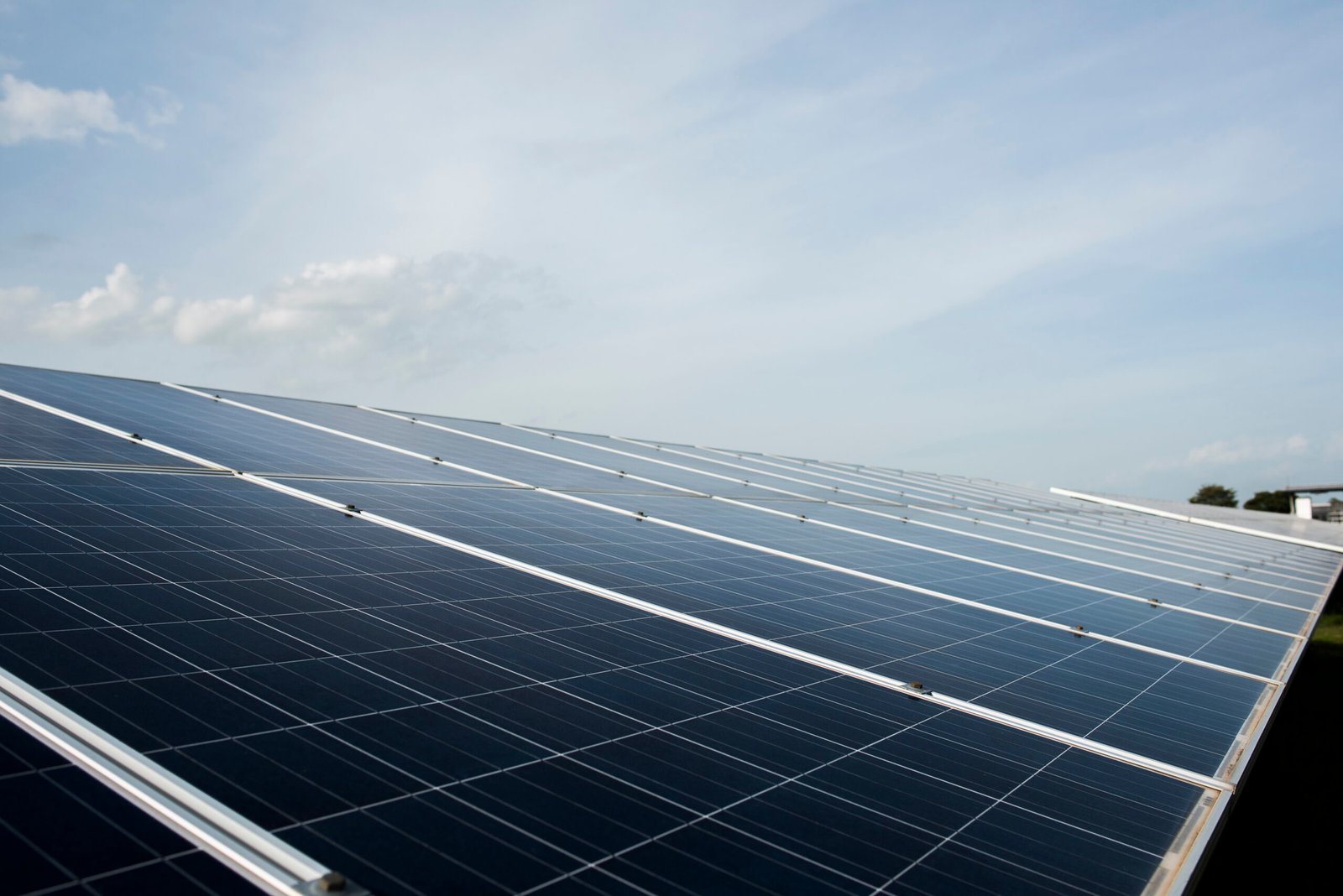
A solar panels on a roof consists of photovoltaic (PV) modules that convert sunlight into electricity, installed on the rooftops of various building types, including industrial, commercial, and residential. These panels harness solar energy during daylight hours, generating usable electrical power for machinery, lighting, and other equipment. By utilizing solar panels, businesses can produce clean, renewable energy on-site, thereby reducing reliance on grid electricity and significantly lowering energy costs. Essentially, it operates as part of a rooftop PV system tailored for the specific needs of the building in question.
How it works:
- The system uses solar modules comprised of semiconductor cells (often silicon) that capture sunlight and convert it into direct current (DC) electricity.
- That DC electricity is then sent through an inverter, which transforms it into alternating current (AC) — the form compatible with industrial/commercial electrical loads or grid supply.
- The rooftop system either:
- Feeds electricity directly into the facility’s own loads, reducing grid consumption; or
- Exports excess electricity back to the grid (under net‐metering or feed-in arrangements).
- In off-grid or hybrid setups (less common for large manufacturing rooftops unless backed by storage), the system includes battery or storage components to use solar power when sunlight is unavailable.
Types of Solar Panels on Roofs
When installing solar panels on roof, one of the most important decisions is choosing the right type of panel. The kind of solar technology you select will directly impact your system’s efficiency, cost, and long-term performance. Each type of solar panel has its unique advantages — and the best choice depends on your building’s design, energy demand, and budget.
Here’s a detailed look at the main types of solar panels on roofs used for commercial and industrial applications:
1. Monocrystalline Solar Panels (Mono-SI)
Monocrystalline solar panels are constructed from a single, pure silicon crystal, resulting in a uniform black appearance and the highest efficiency (18–24%) among panel types. Their key advantages include superior efficiency, making them ideal for rooftops with limited space and high energy demands, durability with performance longevity exceeding 25 years and minimal degradation, and excellent low-light performance suited for areas with variable sunlight. These panels are best suited for manufacturing units and industrial rooftops where maximizing power output and ensuring long-term reliability are critical.
2. Polycrystalline Solar Panels (Poly-SI)
Polycrystalline solar panels, composed of multiple fused silicon crystals, are a cost-effective alternative to monocrystalline panels, offering an efficiency range of 15-18%. They are particularly advantageous for large rooftops, such as those found on factories and warehouses, where space is abundant. Despite being slightly less efficient, their affordability and proven reliability make them a strong choice for industries aiming for budget-friendly energy savings.
3. Thin-Film Solar Panels
Thin-film solar panels, consisting of layers of photovoltaic materials like amorphous silicon or cadmium telluride, are characterized by their lightweight, flexibility, and ease of installation. Key advantages include a lightweight design suitable for older or delicate roofs, efficient performance in high temperatures, and a modern uniform appearance ideal for commercial settings. They are particularly beneficial for industrial buildings with wide, flat, or weight-sensitive roofs and for businesses that prioritize aesthetics.
4. Bifacial Solar Panels
Overview: Bifacial solar panels are designed to harness solar energy from both sides, capturing direct sunlight from the front and reflected light from the back. Key Advantages include a potential increase in energy generation of 10–20% due to the utilization of reflected light, enhanced durability owing to their double-glass surface construction, and their effectiveness on reflective roofs, particularly those that are white or metallic. These panels are ideally suited for applications in factories and warehouses with reflective roofing materials, as well as solar carports where light reflection can enhance energy collection.
5. Building-Integrated Photovoltaics (BIPV)
BIPV (Building-Integrated Photovoltaics) solar panels are designed to replace traditional roofing materials, serving a dual purpose as both a roofing solution and a solar energy generator. Key advantages of BIPV include their ability to enhance aesthetic appeal, particularly in architecturally designed industrial facilities, and promote sustainable construction by reducing material usage while increasing overall building value. BIPV is especially suitable for newly constructed industrial complexes and companies with a focus on sustainability that seek green certification.
6. Flexible Solar Panels
Flexible solar panels feature ultra-thin photovoltaic layers, enabling them to bend and conform to curved or uneven surfaces. Their key advantages include being ultra-lightweight and versatile, making them perfect for structures with limited load capacity. They also allow for quick installation, minimizing downtime during setup. Additionally, their adaptable design renders them suitable for use in modular, prefabricated, or temporary industrial buildings. These panels are particularly beneficial for factories or warehouses with unique roof shapes or lightweight structures.
Why Businesses Are Choosing Solar Rooftop Systems
In the dynamic world of manufacturing and commercial operations, energy isn’t just a utility—it’s a strategic asset. Installing solar panels on roofs represents a powerful shift: from passive energy consumption to active energy production. Here are the key business-drivers that compel more companies to adopt rooftop solar systems.
1. Significant Cost Savings
Electricity expenses significantly impact the operational costs of manufacturing units. By installing solar panels on rooftops, businesses can produce their own clean electricity, which helps reduce dependence on the grid. Solar rooftop systems can decrease monthly energy bills by 60–80%, depending on factors such as system size and sunlight exposure. This investment not only recoups the initial costs over time but also provides free electricity for decades. Consequently, many businesses opt for rooftop solar due to the substantial savings on electricity bills, which improves cash flow and reduces operating costs. The typical payback period for these systems is between 3 to 7 years, after which the electricity generated is essentially free for the system’s lifespan.
2. Sustainability & ESG Leadership
In the contemporary industrial landscape, the integration of sustainability goals and ESG (Environmental, Social & Governance) criteria has emerged as a pivotal component of corporate strategy. The installation of solar panels on roofs exemplifies a significant commitment to renewable energy and carbon footprint reduction. This visible investment in clean energy not only enhances a company’s reputation but also fortifies stakeholder relationships and establishes it as innovative and ecologically responsible.
As customers, investors, and global partners increasingly favor organizations that prioritize environmental stewardship, the adoption of solar panels serves as a prominent and effective means of showcasing dedication to sustainability. By generating renewable energy on-site, businesses can substantially lower their carbon emissions and achieve ESG objectives, communicating a powerful message that illustrates their role in fostering positive change beyond just product production.
3. Energy Independence and Reliability
Industrial operations are increasingly challenged by rising grid tariffs and unpredictable power outages, impacting productivity. Implementing a solar rooftop system offers businesses energy independence, ensuring uninterrupted production and mitigating exposure to energy price fluctuations. When paired with battery storage or hybrid inverters, these systems guarantee continuous power supply, a crucial benefit for manufacturing and processing facilities during grid failures. Fluctuating grid electricity prices, influenced by fuel costs, regulatory changes, and demand pressures, underscore the value of solar panels, allowing companies to manage energy costs and protect against rising tariffs. Additionally, rooftop solar enables firms to generate power at the consumption site, bolstering resilience in areas with unreliable grid power.
4. Low Maintenance
One of the primary benefits of installing solar panels on rooftops is their minimal maintenance requirement, which includes only periodic cleaning and monitoring. With quality equipment and proper installation, these systems can function efficiently for over 25 years, proving to be a durable and low-maintenance investment for businesses. Solar panels are characterized by their reliability and long warranties, which contribute to their perception as a low-risk, high-value investment in the long term. Additionally, the modular design of rooftop solar systems allows businesses to expand their capacity in line with growing energy demands, while continuous technological advancements make future expansions more feasible.
How Solar Panels Work on a Rooftop
1. Capturing Sunlight
The solar energy conversion process begins with sunlight, where solar panels on roofs contain multiple photovoltaic (PV) cells, primarily made of silicon, a semiconductor material. When sunlight, in the form of photons, strikes the PV cells, it energizes electrons within the silicon atoms, allowing them to move freely. This movement generates direct current (DC) electricity, marking the initial stage of usable power generation. Essentially, rooftop solar panels serve as the primary layer of power production by converting sunlight into raw electrical energy, utilizing the photovoltaic effect to create electric current as electrons are liberated from their atomic bonds when energized by photons.
2. Conversion from DC to AC Power
After the conversion of sunlight into direct current (DC) electricity by photovoltaic (PV) cells, the electricity travels through wiring from rooftop arrays to an inverter. This inverter is essential, as most industrial machinery and grid power function on alternating current (AC). The inverter converts DC into AC, allowing the electricity to power machinery, lighting, and HVAC systems in a manufacturing facility or be exported to the grid. Often seen as the “brain” of the solar power system, modern inverters not only convert electricity but also monitor power output, detect faults, and optimize energy performance, ensuring that rooftop solar panels operate at their highest efficiency.
3. Integration with On-site Loads & the Grid
Once AC power is available, facilities can immediately utilize it, reducing dependency on grid power. For grid-tied systems, any excess solar generation beyond current load may be exported to the grid, subject to local regulations. During periods of insufficient solar generation, such as at night or during heavy load times, power is drawn from the grid or onsite storage in hybrid systems.
Some rooftop solar systems incorporate battery storage, which captures surplus energy generated during the day for use at night or during outages, thus ensuring energy independence and continuous operations for manufacturing units in areas with unreliable grid supply. Hybrid systems, which blend grid-tied and battery-based configurations, are increasingly favored by industrial users seeking reliable performance and enhanced control over their energy sources.
4. Mounting & Rooftop Considerations
The mounting structure is essential for the effectiveness and durability of solar installations, ensuring panels are positioned at optimal angles for maximum sunlight exposure. For rooftop solar panels, the structure facilitates proper air circulation to prevent overheating and is constructed from robust, corrosion-resistant materials like galvanized steel or aluminum. The design is customized to accommodate various roof types, including RCC, metal sheet, or curved industrial roofs.
A professionally engineered mounting system guarantees safety and operational efficiency. During installation, the roof type and mounting structure’s design are critical; panels are generally affixed on rails or brackets above the roof surface to promote airflow and cooling, and proper orientation is necessary to capture sunlight effectively. Additionally, some roofs may require reinforcement to support the weight of the panels and mounting hardware.
5. Monitoring & Maintenance
To ensure optimal performance of rooftop solar panels, cleanliness, unobstructed installation, structural stability, and proper electrical connections are crucial. Intelligent monitoring systems enhance the functionality by allowing real-time tracking of generation, consumption, and module performance, directly accessible via smartphones or computers. These platforms provide alerts for maintenance needs, such as cleaning or checking inverters, thereby maximizing efficiency throughout the year. Routine maintenance activities include cleaning the panels, inspecting wiring and connections, and verifying inverter status and roof integrity. With minimal upkeep, solar panels can reliably produce power for over 25 years.
Types of Rooftop Solar Installations
Different roof types require different mounting and installation techniques. Here’s an overview of the most common setups:
1. Metal Roof Installation
Metal roofs are increasingly favored for solar panel installation, particularly in industrial settings like manufacturing plants and warehouses. Specialized clamps attach to the standing seams of the metal sheets, eliminating the need for drilling, thus preserving roof integrity and preventing leaks. Key advantages of this system include its lightweight design, fast and economical installation, and corrosion-resistant mounts that prolong the lifespan of the solar panels. These roofs are ideal for industrial units with sloped or standing seam configurations.
2. RCC Roof Installation
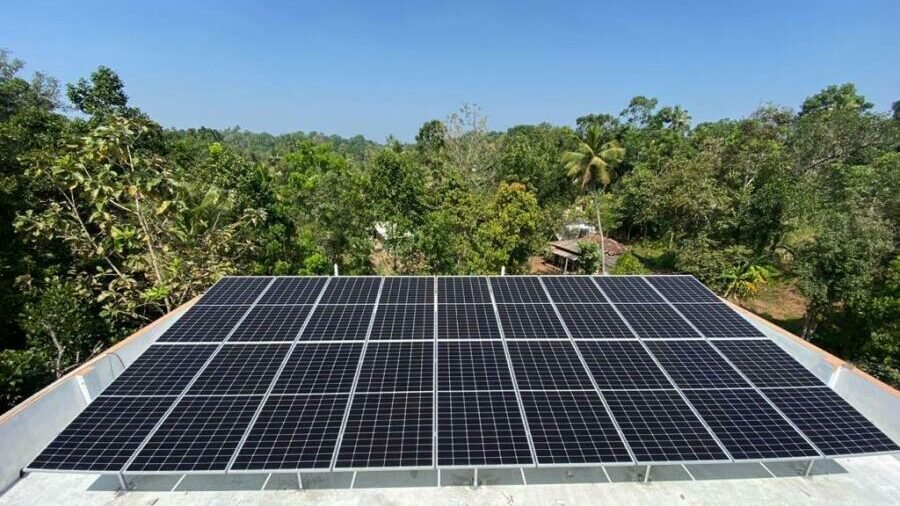
For buildings that feature concrete roofs, solar panels are usually installed on mounts composed of galvanized steel or aluminum. The installation can be accomplished through either fixed foundations or a ballasted, non-penetrating method. This approach has several advantages, including its suitability for flat or low-slope concrete roofs, the ability to tilt panels for optimal sunlight exposure, and its effectiveness in commercial and industrial structures with expansive roof areas. It is especially appropriate for factories, hospitals, and offices that have robust reinforced concrete (RCC) roofs capable of supporting the additional weight of solar installations.
3. Solar Carport Systems
A solar carport system transforms parking lots into zones for clean energy generation by installing solar panels on elevated steel structures, which provide shaded parking. The advantages of this setup include its dual purpose—offering both power generation and shaded parking—as well as supporting electric vehicle charging infrastructure and enhancing property value and sustainability appeal. This system is best suited for large facilities, industrial campuses, and malls with open parking spaces.
4. Raised Structure Installation
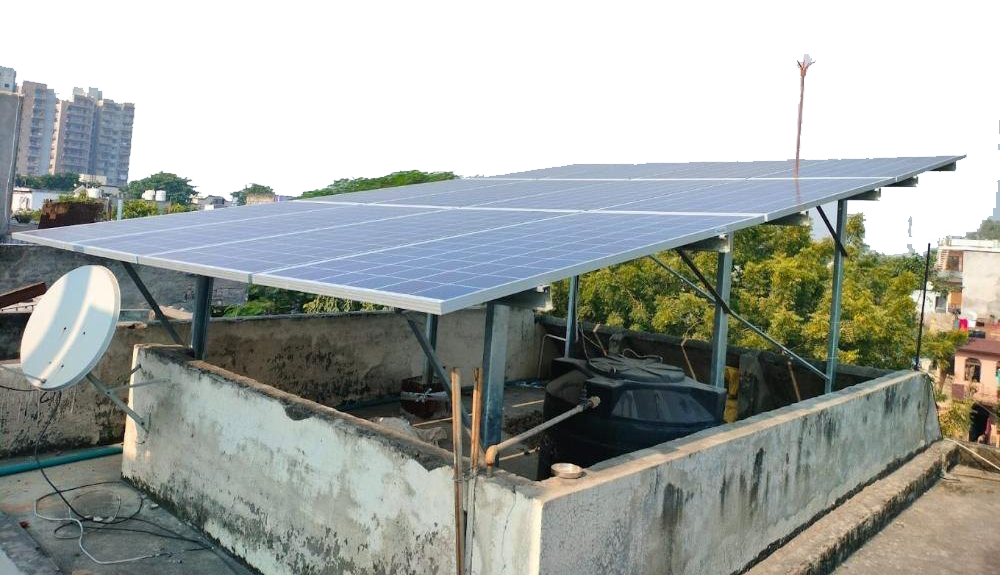
When roof spaces are partially occupied by vents, tanks, or HVAC units, the installation of a raised structure for solar panels is recommended. This elevated setup maximizes sunlight exposure while maintaining the roof’s functionality. Key advantages include improved airflow beneath the panels, which reduces building heat load, the ability to perform maintenance or utility work on the roof, and enhanced energy generation without compromising operational space. This solution is particularly beneficial for food processing units, factories, and commercial buildings with congested rooftops.
Step-by-Step Process: Installing Solar Panels on Roofs
The installation of solar panels on roof is a systematic process that involves precise planning, engineering, and execution. For businesses and manufacturing units, following each step correctly ensures maximum energy efficiency, safety, and long-term savings. Below is a detailed breakdown of the step-by-step process used by professional EPC providers to install solar panels on roof effectively.
1. Site Assessment & Structural Audit
The process of installing solar panels on roof begins with a thorough site evaluation. This includes inspecting the available roof area, determining its orientation, and identifying shading from nearby structures, chimneys, or HVAC units. Engineers also assess the structural load capacity to ensure the roof can safely support the weight of solar panels on roof and mounting structures. Different roof types—such as metal sheets, reinforced cement concrete (RCC), or flat concrete—require different installation techniques. Additionally, it is crucial to check for any roof repairs or reinforcement needs before starting the installation to maintain structural integrity and safety.
2. Feasibility Study & System Design
Once the structural audit is complete, the next step is a detailed feasibility study and design layout for solar panels on roof. This stage determines the number of panels that can be installed based on tilt angle, spacing, azimuth, and available area. Engineers prepare precise drawings that outline mounting structure placement, inverter location, and wiring routes to ensure maximum exposure to sunlight and easy maintenance access. The feasibility study also includes energy generation estimates, cost savings, return on investment (ROI), and system payback period—helping businesses understand the long-term financial impact of installing solar panels on roof.
3. Approval, Permitting & Documentation
Before installation begins, it’s essential to obtain all necessary approvals and permits from local authorities and utility companies. For grid-tied systems, documents must be submitted to verify technical feasibility and compliance with electrical safety standards. This step ensures that the installation of solar panels on roof meets all structural, electrical, and fire safety codes. For larger commercial or industrial systems, adherence to national and local regulations is mandatory to qualify for incentives or net-metering benefits.
4. Procurement & Logistics
After the system design and approvals are finalized, the procurement phase begins. This includes sourcing premium-quality solar modules, inverters, mounting structures, cables, and safety equipment. Every component must be compatible with the type of roof to ensure seamless installation of solar panels on roof. Proper logistics planning is equally important. It involves ensuring safe roof access, arranging lifting machinery, storing materials correctly, and providing personal safety gear for the installation crew. The correct choice of mounting structure—metal clamps for metal roofs or ballasted systems for RCC roofs—ensures the long-term stability of your solar panels on roof system.
5. Mounting Structure Installation
This stage marks the beginning of physical installation. The mounting structure forms the foundation for solar panels on roof, so precision and accuracy are vital. The racking system is secured to the roof using either penetration (for RCC roofs) or non-penetrating clamps (for metal roofs), ensuring even weight distribution and proper waterproofing. Mounts are carefully aligned and leveled to achieve the ideal tilt angle, ensuring solar panels on roof receive optimal sunlight throughout the day. Proper airflow beneath the panels is maintained to prevent overheating and enhance performance efficiency.
6. Module Placement & Wiring
With the mounting structure in place, it’s time to install the solar panels on roof. Panels are positioned row by row according to the engineered layout, ensuring consistent orientation for maximum exposure to sunlight. Each panel is interconnected in series or parallel (strings), and DC wiring is routed through weatherproof conduits to the junction or combiner boxes. Proper marking of service zones and shaded areas ensures ease of maintenance and optimal output from the solar panels on roof system throughout its lifespan.
7. Inverter & Electrical Integration
After placing the panels, the inverters are installed and connected to the DC wiring system. The inverter’s role is to convert direct current (DC) from the solar panels on roof into alternating current (AC) for use in the facility. The AC output is then integrated with the building’s main electrical panel, along with surge protection, earthing, and isolators for safety. For grid-tied systems, a bidirectional meter (net meter) is installed to measure both imported and exported electricity—allowing businesses to gain credit for excess power generated by their solar panels on roof.
8. Testing, Commissioning & Grid Interconnection
Before the system goes live, it undergoes a series of rigorous quality checks. These include insulation resistance testing, polarity verification, and inverter performance checks to ensure every component of the solar panels on roof system operates correctly. Once compliance and functionality are verified, the system is officially commissioned and connected to the utility grid. At this stage, solar panels on roof begin generating clean, renewable electricity for the facility. Modern systems also include online monitoring portals that display energy production data, detect faults, and track efficiency in real-time—empowering facility managers with actionable insights.
Economic Benefits for Industrial and Commercial Users
1. Reduced Operational Costs
Large industrial facilities typically operate during peak daylight hours, perfectly aligning with the generation potential of solar panels on roof. By installing these systems, companies can drastically reduce their dependence on grid electricity and achieve energy bill savings of 40%–60%, or even higher in some cases. With solar panels on roof, manufacturing units can turn underutilized roof spaces into productive, revenue-saving assets that offset monthly operating costs.
The clean, renewable energy generated directly meets a significant portion of their daytime energy demand, making it a highly effective cost-control measure. Over a system lifespan of 20–25 years, the savings from solar panels on roof can accumulate to crores of rupees, strengthening financial stability and reducing exposure to volatile power tariffs.
2. Attractive ROI
Investing in solar panels on roof delivers one of the best ROIs available to industrial and commercial enterprises. The initial investment is typically recovered within 3 to 5 years, after which the energy generated becomes virtually free. Every additional kilowatt-hour produced by solar panels on roof translates into direct profit for the business.
Unlike conventional machinery or electrical equipment that depreciates over time, solar panels on roof continue to provide steady, reliable returns for more than two decades. Under favourable conditions, businesses can achieve an impressive 20%–25% ROI, with some projects seeing payback in as little as 3 to 4 years. This makes solar panels on roof not just a sustainable choice, but a high-performing financial asset that boosts long-term profitability and competitiveness.
3. Tax Incentives & Financial Benefits
Governments and policy frameworks acknowledge the significant benefits of rooftop solar installations for industrial and commercial users. The adoption of solar panels allows users to access financial mechanisms including accelerated depreciation (with up to 40% depreciation in the first year in India), which effectively lowers taxable income. Additionally, supportive net-metering policies enable facilities to export excess power to the grid, earning credits or revenues, while exemptions on wheeling/transmission charges and favourable GST/tax treatments enhance the financial appeal. These incentives, including various subsidies and incentives in specific states and regions, substantially mitigate both upfront and ongoing costs, making the investment in rooftop solar more attractive and economically viable, ultimately leading to a reduced payback period and improved feasibility of solar projects.
4. Protection Against Rising Energy Costs
One of the most compelling financial benefits of solar panels on roof is protection from the consistent rise in electricity tariffs. As traditional energy prices continue to increase due to grid inefficiencies and fuel cost volatility, solar panels on roof provide a predictable, stable cost of energy for the next 20–25 years.
This price certainty allows industrial and commercial facilities to budget more effectively, forecast expenses accurately, and safeguard their profitability. By generating their own power through solar panels on roof, companies become less vulnerable to tariff fluctuations, fuel shortages, and power supply disruptions. For energy-intensive operations, this stability not only enhances profit margins but also strengthens their overall competitive advantage in the marketplace.
5. Low Maintenance and Long Lifespan
Another major economic advantage of installing solar panels on roof is their low maintenance requirement. Once set up, these systems need only routine cleaning and periodic inspections to ensure optimal performance. High-quality solar panels on roof are engineered to last over 25 years, offering decades of consistent energy generation with minimal operating costs. When combined with reliable EPC and maintenance partners, businesses can enjoy uninterrupted performance and substantial savings without heavy upkeep expenses.
The long lifespan and durability of solar panels on roof make them a low-risk, high-return investment — ideal for industrial and commercial users seeking sustainable, long-term cost reduction. By choosing this renewable energy solution, businesses not only minimize operational overheads but also demonstrate leadership in adopting modern, environmentally responsible technologies.
Environmental Impact and Sustainability
- Rooftop solar panels significantly reduce greenhouse gas emissions, with approximately 0.7 kg of CO₂ emissions prevented per unit of solar power generated in India.
- The technology helps industries meet Environmental, Social and Governance (ESG) goals while improving their eco-friendly image.
- Minimal water usage and the use of existing building spaces reduce land degradation and promote water conservation.
- Solar energy generation improves air quality by eliminating emissions from fossil fuels, contributing to healthier communities.
- Retrofitting existing infrastructures with solar panels minimizes additional emissions related to construction.
- Modern solar panels have a lifespan of over 25 years, require minimal upkeep, and are made from recyclable materials, promoting sustainability.
- Investing in rooftop solar supports global sustainability initiatives, including the UN’s Sustainable Development Goals (SDGs) and India’s target of 500 GW of renewable energy capacity by 2030.
- This approach enhances brand reputation, attracts eco-conscious clients, and ensures compliance with international ESG reporting standards.
Technological Advancements in Rooftop Solar
1. High-Efficiency Solar Modules
Modern photovoltaic (PV) modules designed for rooftop systems are rapidly evolving with innovations such as Passivated Emitter Rear Cell (PERC), Tunnel Oxide Passivated Contact (TOPCon), and Heterojunction Technology (HJT). These advancements enhance energy conversion efficiency, reduce degradation, and improve high-temperature performance—making them ideal for large-scale installations of solar panels on roof. Additionally, bifacial panels that capture sunlight from both the front and back are gaining popularity for industrial and commercial buildings. When solar panels on roof use bifacial technology and reflective surfaces, they can achieve 10–30% higher energy output. These high-efficiency panels help maximize roof space utilization, enhance energy yield per square meter, and improve the economic return on investment for manufacturing units.
2. Smart Inverters and Digital Monitoring
The introduction of smart inverters and digital energy-management systems has transformed how solar panels on roof perform. These systems not only convert DC to AC power but also monitor system health, adjust output in real time, and detect potential faults before they escalate. For large industrial facilities deploying solar panels on roof, this means improved uptime, reduced maintenance efforts, and clear visibility into energy performance data. AI-powered analytics can identify underperforming panels or shading issues early, ensuring consistent productivity. This integration of intelligence ensures that solar panels on roof deliver maximum output with enhanced reliability, predictability, and operational efficiency.
3. Energy Storage & Hybrid Solutions
With advancements in battery storage and hybrid energy systems, solar panels on roof have evolved from providing daytime energy to enabling round-the-clock power reliability. When paired with on-site storage, these systems allow users to store excess energy generated during the day and use it during non-solar hours. This hybrid approach reduces dependence on the grid and enhances energy resilience—especially critical for industrial facilities that require uninterrupted power supply. Through these innovations, solar panels on roof now serve as both a sustainable and dependable energy backbone for manufacturing operations.
4. Building-Integrated Photovoltaics (BIPV) & Aesthetic Integration
Building-Integrated Photovoltaics (BIPV) represents the next step in solar innovation—where solar panels on roof and façades become part of the building’s design itself. Instead of simply installing panels on top of existing structures, BIPV integrates solar technology into roofing materials, walls, and skylights. For industrial and commercial properties, this means generating clean power without compromising architectural aesthetics. With solar panels on roof acting as both an energy source and a design feature, businesses can achieve both sustainability and visual appeal while maximizing the functional value of every rooftop surface.
5. Advanced Mounting – Lightweight, Flexible, Adapted
Installation technologies are advancing rapidly, making it easier to deploy solar panels on roof of various types and conditions. From ballasted mounts for flat concrete roofs to rail-less and flexible mounting systems for irregular structures, these innovations ensure optimal panel placement and stability. Such advancements allow businesses to install solar panels on roof even in challenging structural conditions—turning previously unused roof space into a productive energy asset. For manufacturing facilities, this adaptability translates into higher installation efficiency and greater renewable energy potential.
6. Enhanced Safety, Monitoring and Maintenance Innovations
Modern monitoring and maintenance technologies are enhancing the safety and reliability of solar panels on roof. Advanced systems like drone-based inspections, AI-driven fault detection, and infrared thermography can quickly identify performance issues such as soiling or overheating. This proactive approach minimizes unplanned downtime and lowers O&M costs. For large-scale commercial setups, solar panels on roof are no longer “set and forget” assets—they are now actively managed energy systems optimized for long-term performance and safety.
7. Circular Economy & Sustainable Module Manufacturing
Sustainability is becoming a cornerstone of solar innovation, and manufacturers are prioritizing eco-friendly production and recycling processes for solar panels on roof. The use of low-carbon materials, improved recycling systems, and better end-of-life management ensure minimal environmental impact. For industrial and commercial users, installing solar panels on roof not only reduces energy expenses but also strengthens corporate sustainability credentials. These advancements make solar adoption a responsible, future-ready investment that aligns with global clean energy goals.
Financing Options: Making Solar Affordable
1. CAPEX Model
Under the CAPEX model, businesses purchase and own solar panels installed on their roofs, thereby controlling the entire system and benefiting from its energy output. This ownership allows them to capture the full value of the electricity generated and any associated export benefits. Although it necessitates an upfront investment, the return on investment (ROI) for solar panels typically ranges from 3 to 5 years, with clean energy benefits extending over 20 to 25 years. Consequently, this model is particularly advantageous for companies with strong financial positions, as it enables them to convert previously unused rooftop spaces into profitable assets, ultimately resulting in significant long-term financial savings through reduced electricity bills.
2. OPEX (RESCO) Model
In the OPEX (Operational Expenditure) or PPA (Power Purchase Agreement) model, a third-party investor installs, owns, and maintains solar panels on the roof, allowing users to pay only for the electricity consumed at a fixed, typically lower, tariff compared to grid rates, eliminating any upfront costs. This “pay-as-you-save” approach is particularly suitable for businesses seeking clean energy without capital expenditure, as it offers predictable energy costs while outsourcing performance, maintenance, and insurance to the service provider.
As a result, businesses can quickly implement solar solutions to benefit from clean energy generation while ensuring operational flexibility and access to affordable solar power over time. For those preferring minimal or no upfront capital, leasing or PPA for solar panels is a compelling choice, facilitating swift deployment without the burden of capital investment.
3. Government Subsidies and Incentives
Government programs and renewable energy policies play a crucial role in reducing the costs associated with adopting solar panels on rooftops. Key benefits for industries include accelerated depreciation (up to 40% in the first year), net metering, and state-specific capital subsidies, which significantly lower payback periods and enhance the viability of solar projects. Additionally, government support further diminishes installation costs through various schemes that provide subsidies, low-interest loans, and net metering credits specifically for rooftop solar systems. These incentives are particularly beneficial in improving the economic aspects of installing solar panels in industrial settings such as factories, warehouses, and commercial complexes, thereby facilitating faster adoption of solar technology.
4. Bank Loans & Green Financing
Several banks and financial institutions offer green energy loans with attractive interest rates to encourage solar adoption. These loans often cover the full installation cost of solar panels on roofs and feature flexible repayment terms alongside potential tax incentives. In India, various schemes, like those from IREDA and SIDBI, along with international climate funds, facilitate easier access to solar investments for businesses. Dedicated solar loans can provide significant funding (up to ₹3 crore) for rooftop systems, with interest rates ranging from 7% to around 10%. This financing allows immediate benefits from lower electricity bills while spreading the cost over time with EMIs.
The Future of Rooftop Solar Energy
The future of rooftop solar energy appears promising as industries globally adopt solar panels on rooftops to satisfy increasing energy needs amidst rising electricity costs and sustainability objectives. Solar panels are crucial for industries looking to minimize grid reliance, stabilize energy costs, and achieve energy self-sufficiency. Technological advancements, such as integrating solar systems with battery storage, enhance energy management, ensuring reliability and consistent power supply. Innovations, including IoT sensors and AI analytics, make these systems intelligent and dynamic.
Material enhancements in solar technology, like bifacial and building-integrated photovoltaics (BIPV), improve efficiency and installation versatility, while manufacturers focus on sustainability in production. Financial instruments like Power Purchase Agreements (PPAs) and green loans ease the investment burden, supported by favorable policies that further incentivize solar adoption.
Looking forward, rooftop solar is expected to convert buildings into energy-positive entities, fostering decentralized energy generation and greater independence. The commitment to solar reflects a strategic move towards reduced operational costs and an environmentally responsible future, representing progress and resilience in industrial development.
Conclusion
The integration of solar panels on roof is revolutionizing how manufacturing units manage their energy needs—combining innovation, efficiency, and sustainability like never before. With cutting-edge technologies such as high-efficiency modules, smart inverters, and AI-driven monitoring systems, businesses are now able to generate more power, optimize performance, and ensure long-term reliability from their rooftop systems.
For manufacturing units, solar panels on roof are more than just an energy solution—they represent a strategic step toward energy independence and operational excellence. By utilizing advanced solar technologies, industries can significantly reduce electricity costs, enhance productivity, and align with global sustainability goals.
As technology continues to evolve, the future of solar panels on roof promises even greater returns, smarter performance, and seamless integration with modern industrial infrastructures. In this era of innovation, adopting rooftop solar is not just a green choice—it’s a forward-thinking investment that powers both profits and the planet.
Ready to turn your rooftop into a powerhouse of clean, cost-saving energy? Empower your business with solar panels on roof and experience the benefits of reduced energy costs, long-term savings, and a sustainable future. Contact Soleos Energy today to get a free site assessment and discover how solar panels on roof can transform your manufacturing unit into an energy-efficient, future-ready facility. Let’s build a cleaner, smarter, and more profitable tomorrow—one rooftop at a time.
Frequently Asked Questions (FAQ)
Q1. Are solar panels on roof suitable for my industrial or commercial building?
Yes. Solar panels on roof can be installed on a wide variety of roof types—metal sheets, reinforced concrete (RCC), flat or sloped roofs—provided a structural and shading assessment confirms suitability.
Q2. How much area do I need for solar panels on roof?
The required area depends on your system size, energy needs, roof orientation, tilt and shading. For large industrial systems, planners typically model energy output based on available roof space and local sunlight hours.
Q3. Will installing solar panels on roof damage my roof or void the warranty?
When properly designed and installed, solar panels on roof should not harm roof integrity or void warranties. Good install practices include correct mounting and waterproofing.
Q4. What kind of return can I expect from solar panels on roof?
Returns vary by size, location and system cost, but businesses often see pay-back in a few years and full system lifespan of 20-25 years. Solar panels on roof convert unused roof space into long-term value and cost-savings.
Q5. What happens when the sun isn’t shining? Can solar panels on roof still help?
Solar panels on roof generate energy during daylight. For non-sunlight hours or backup scenarios, pairing with battery storage or hybrid systems enhances reliability and ensures continuous supply.
Q6. What financing or incentive options exist for solar panels on roof?
Several models exist: direct purchase, loans, leasing or Power Purchase Agreements (PPAs). Incentives, depreciation benefits, and favorable policies also support installations of solar panels on roof.
