Tag Archives: #SolarEnergy #RenewableEnergy #CleanEnergy #SustainableEnergy #GreenEnergy

8 Steps to a Successful Solar Panel Mounting Installation

Solar Panel Mounting

Solar energy is often associated with photovoltaic (PV) panels; however, an equally crucial element is the mounting system that supports them. This system is vital for ensuring structural stability, optimizing energy production, and maintaining long-term reliability. An inadequate mounting system can lead to underperformance, damage, or safety regulation violations for even the most advanced solar panels. In the Commercial & Industrial (C&I) sectors, the mounting system is essential for achieving return on investment (ROI), enhancing operational safety, and meeting sustainability objectives.

Essentially, while solar panels serve as the heart of the system, the mounting structure acts as its skeleton, ensuring alignment, strength, and efficiency. The guide will comprehensively cover solar panel mounting, including types, components, installation processes, costs, challenges, future innovations, and real-world applications.

What is Solar Panel Mounting?

Solar panel mounting, also known as PV mounting or racking, is the system that supports and secures solar panels on various surfaces such as rooftops, the ground, or facades. This framework is crucial for ensuring that solar panels are fixed at the optimal angle and orientation to capture sunlight effectively while being resilient against environmental factors.

The primary functions of solar panel mounting include:

  1. Positioning Panels Correctly: Ensuring panels are tilted and oriented for maximum exposure to sunlight.
  2. Providing Stability: Engineered to withstand various environmental pressures such as wind, rain, snow, and seismic activity.
  3. Ensuring Longevity: Designed to protect solar panels, enabling them to function efficiently over their expected lifespan of 25 to 30 years.

Key Functions & Purposes of Mounting Systems

1. Secure Support & Stability
The mounting structure must hold panels firmly so they resist wind loads, snow, vibration, and other environmental stresses. This avoids damage or displacement.

    2. Optimal Sunlight Exposure
    Mounting allows panels to be positioned at the correct tilt and orientation (angle, azimuth) so they receive maximum sunlight over the day and across seasons. Some mounts are fixed; others are adjustable or use tracking to follow the sun.

    3. Longevity & Durability
    The mounting materials and design must be durable (resistant to corrosion, wear, weather). They should preserve the panels’ performance for decades. Proper mounting also helps with cooling (airflow under racks) which improves efficiency.

    4. Protection & Safety
    A good mount prevents issues like panel breakage, roof leaks (for rooftop installations), structural failures, or safety hazards.

    5. Adaptability to Site Conditions
    Mounting systems must work under different site constraints: rooftop vs ground, flat vs sloped roofs, soil conditions, wind/snow load zones, etc. They often come in multiple designs to suit these.
    Types of Solar Panel Mounting Systems

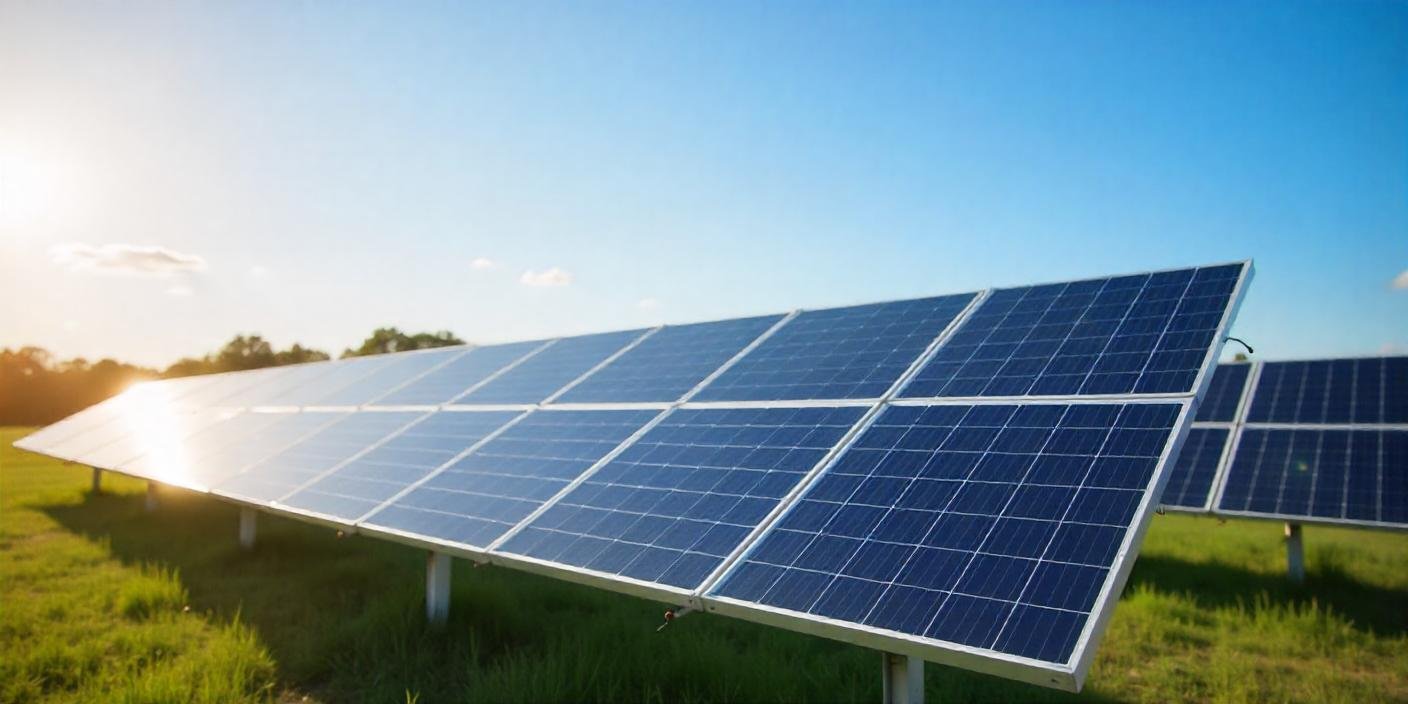
    Choosing the right mounting system depends on site conditions, project scale, and energy goals. Let’s explore the most widely used systems:

    1. Rooftop Mounting Systems

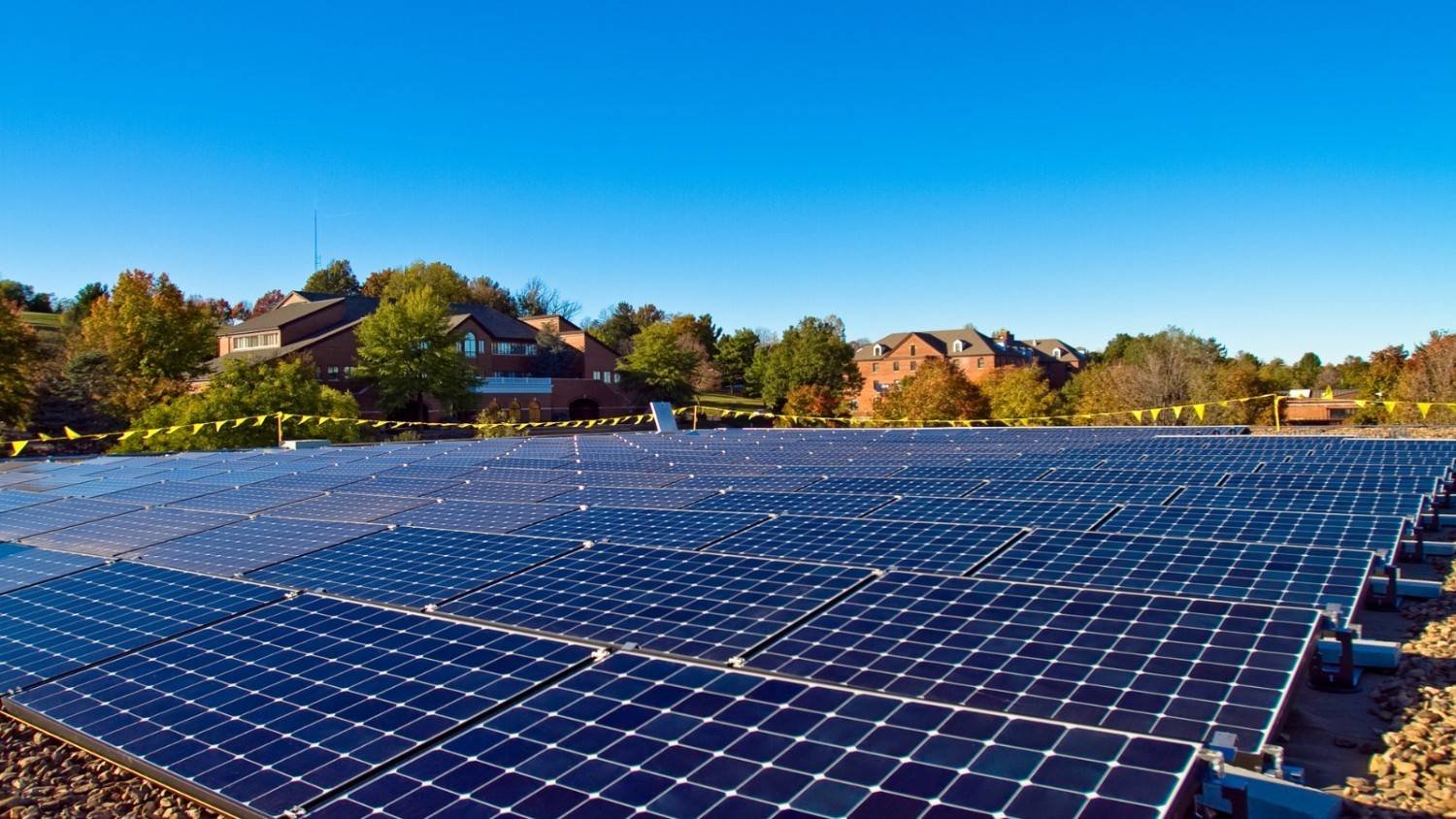
    Rooftop solar systems are among the most popular solutions for harnessing clean energy from otherwise unused roof spaces in residential, commercial, and industrial sectors. The primary Solar Panel Mounting approaches for rooftops include flat roof mounting and sloped roof mounting.

    Flat roof systems typically use ballasted (weight-based) or anchored structures, with panels tilted on frames to maximize solar exposure. This configuration is common in warehouses, factories, and large commercial buildings. In contrast, sloped roof systems attach panels parallel to the roof’s incline, requiring specialized flashings and clamps to prevent leaks, which is mostly suitable for residential buildings.

    Both flat and sloped roof Solar Panel Mounting methods use rails, clamps, or brackets, making them adaptable to different roof materials, including metal and tile. Key advantages include land conservation, the use of existing structures, and cost-effectiveness compared to ground-mounted systems. However, evaluating roof strength, waterproofing, orientation, and tilt is critical before installation.

    2. Ground-Mounted Systems

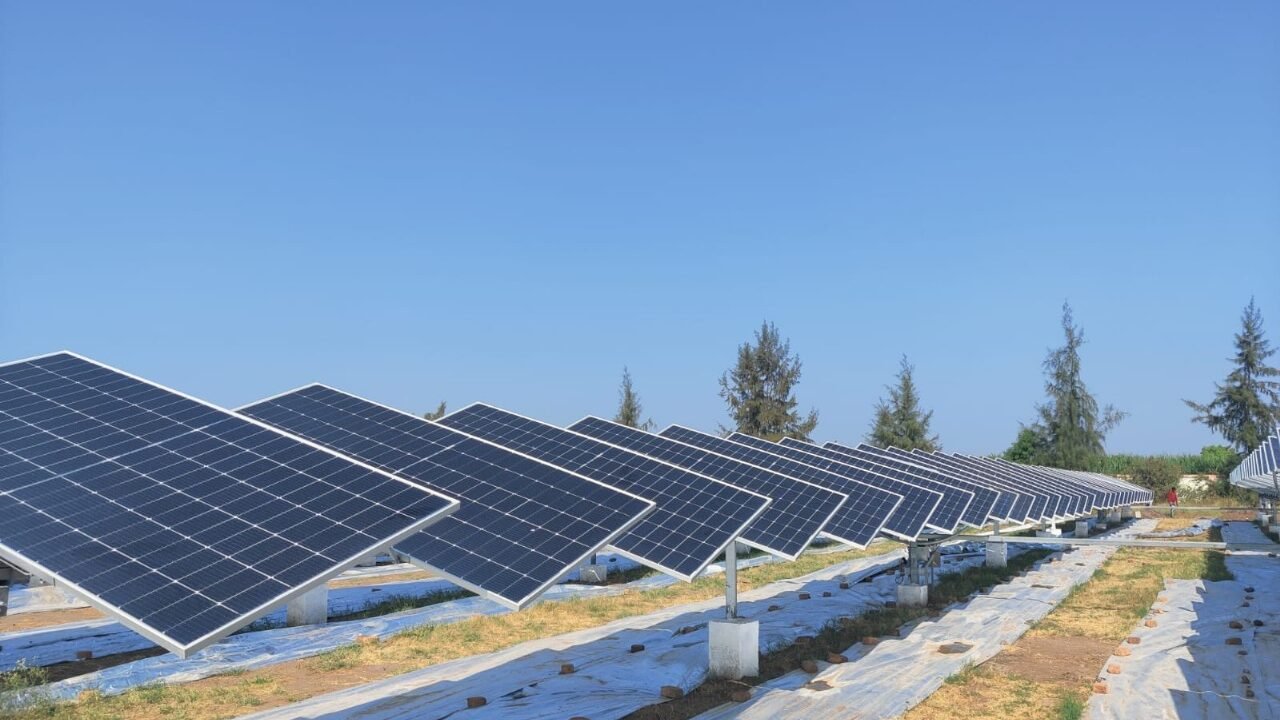
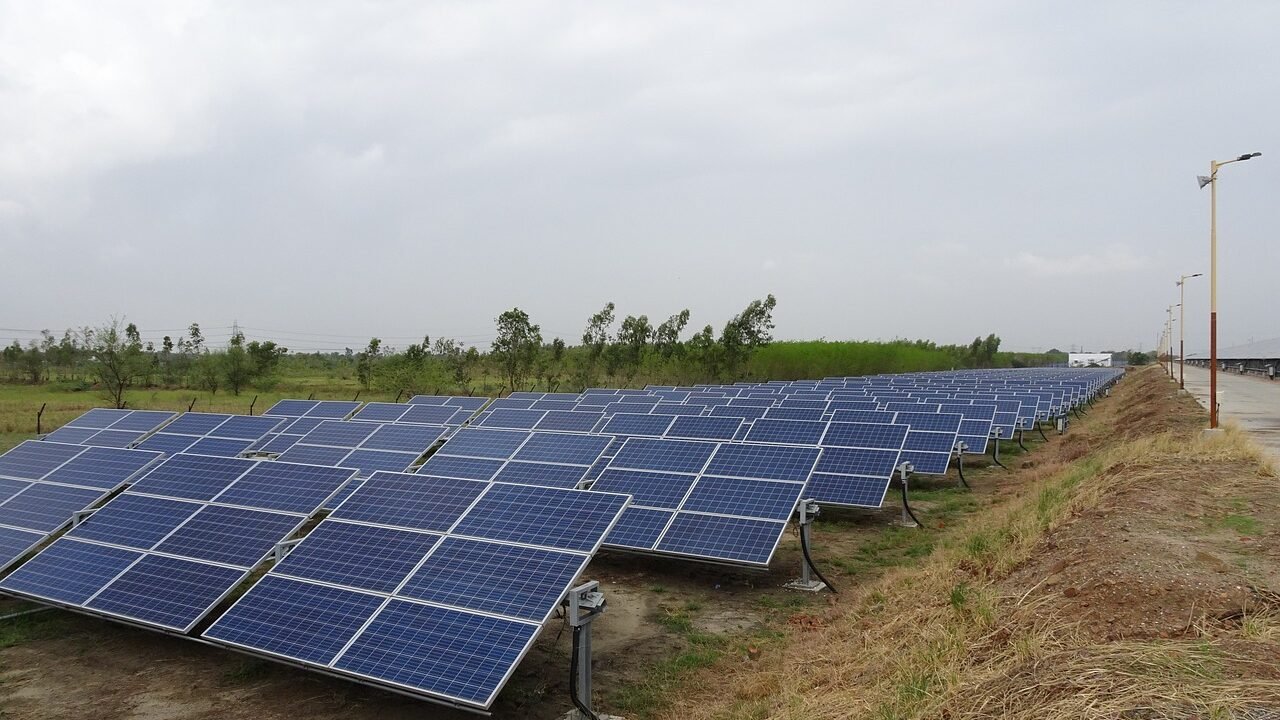
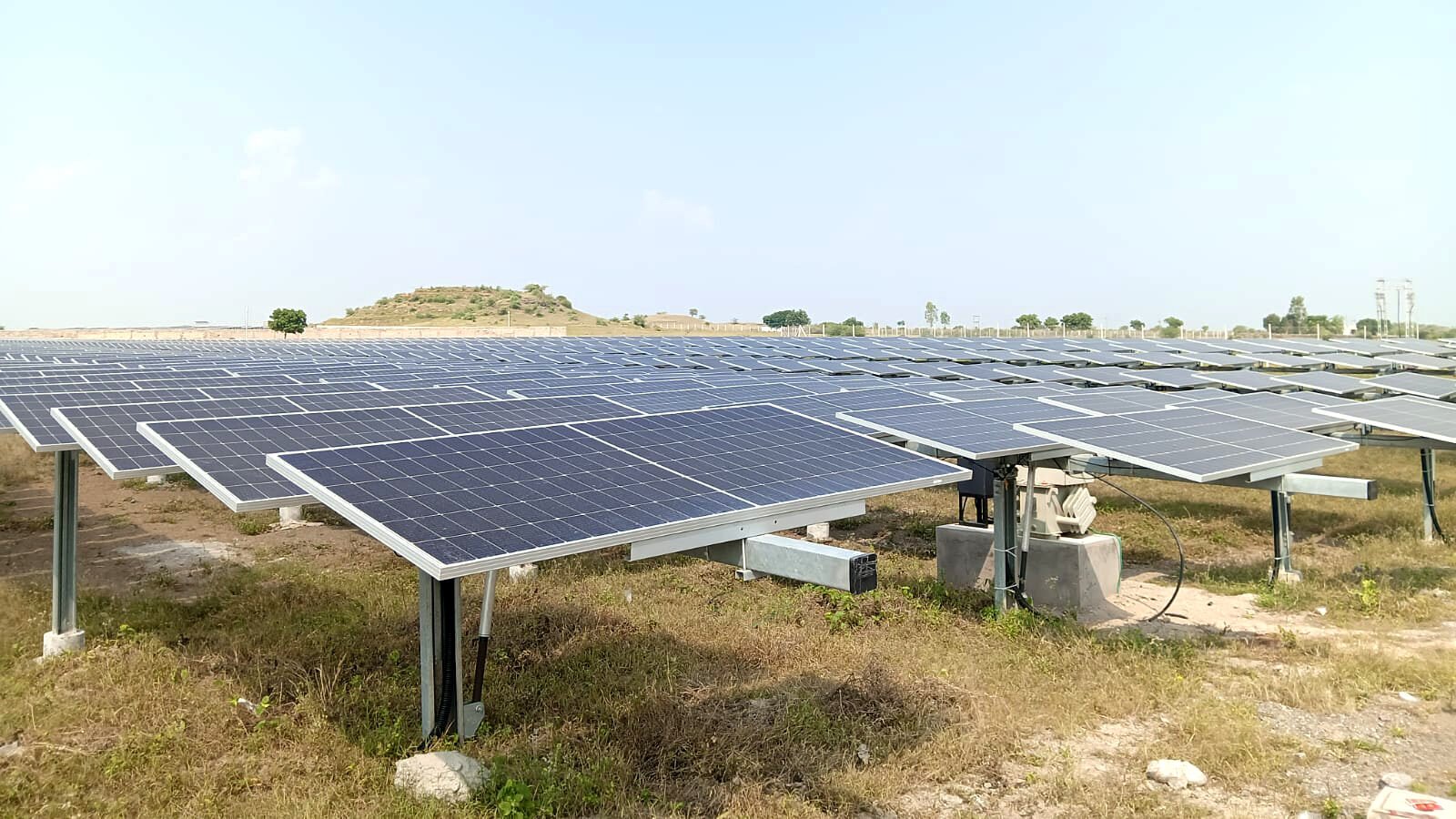
    Ground-mounted Solar Panel Mounting involves installing panels on the ground using structures like fixed racks, frames, poles, or footings. These can be fixed-tilt or tracking systems, allowing optimal orientation, easy maintenance, scalability, and enhanced energy output with tracking solutions.

    This method requires more land and higher initial civil and foundation costs. Site factors such as soil type, topography, and wind and snow loads must be considered, along with necessary permissions or land leases. Ground-mounted systems are ideal for solar parks, utility-scale projects, and factories with large open spaces.

    3. Carport Mounting

    Solar panels installed over parking lots, driveways, or walkways form solar carports—a creative Solar Panel Mounting solution for commercial and industrial campuses, malls, and EV charging stations. Carports offer dual functionality by providing shade while generating electricity, and they can enhance visibility for branding and integrate EV chargers. These systems, however, involve higher structural costs and more complex permitting and design considerations.

    4. Agrivoltaic Structures

    Agrivoltaics, or agri-PV, combines farming with solar energy by using raised Solar Panel Mounting systems that allow crops to grow underneath. This innovative approach maximizes land efficiency, offering farmers both renewable energy and agricultural yields. Proper design ensures sunlight reaches the plants while supporting energy production.

    5. Floating Solar Mounting

    Floating Solar Panel Mounting systems involve installing panels on buoyant platforms over water bodies like reservoirs or lakes. This method addresses land scarcity and benefits from water cooling, which can improve panel efficiency. Challenges include anchoring, corrosion resistance, maintenance, and regulatory considerations, making it a technically advanced but highly efficient solution.

    6. Building-Integrated Photovoltaics (BIPV)

    BIPV systems integrate solar panels directly into building elements such as façades, windows, or roof shingles. This type of Solar Panel Mounting blends energy generation with architectural design, enhancing aesthetics and optimizing space. While generally more expensive per watt and requiring careful planning, BIPV is ideal for new constructions where visual appeal and efficient space use are priorities.

    Key Components of Mounting Systems

    1. Mounting Rails: Mounting rails are the backbone of any solar installation, providing the structural framework that holds panels in place. They ensure proper alignment, tilt, and spacing for optimal sunlight exposure. Rails are typically made of lightweight yet durable materials such as aluminum, which resist corrosion and support long-term stability.
    2. Clamps and Fasteners: Clamps secure solar panels to the rails, preventing movement due to wind or other environmental forces. End clamps attach panels at the edges, while mid clamps secure panels in between. High-quality fasteners, bolts, and screws are essential for safety, longevity, and reliability of the Solar Panel Mounting system.
    3. Tilt and Angle Adjustment Structures: Tilt frames or adjustable brackets allow panels to be angled to capture maximum solar energy. Flat roof systems often use tilt structures, while ground-mounted or tracking systems may include dynamic mechanisms to follow the sun’s path, boosting energy efficiency.
    4. Foundations and Supports: Depending on the type of Solar Panel Mounting, foundations can include concrete footings, ground anchors, or ballast systems for flat roofs. Proper foundation design ensures stability under wind, snow loads, and other environmental conditions. Carports, agrivoltaic systems, and floating solar structures require specialized supports to accommodate unique layouts.
    5. Flashing and Waterproofing Components: For sloped roofs, flashings and sealants prevent leaks where rails or panels penetrate the roof. These components are critical for protecting the building structure while enabling safe and secure Solar Panel Mounting.
    6. Tracking Systems (Optional): Advanced mounting solutions may incorporate tracking systems that rotate panels to follow the sun’s movement. This increases energy generation by 15–30% compared to fixed systems, particularly valuable for large-scale ground-mounted installations.
    7. Junction Boxes and Cable Management Accessories: Proper cable management ensures safety, reduces wear, and maintains system aesthetics. Clips, conduits, and trays help organize wiring, preventing exposure to harsh conditions while supporting long-term efficiency.

    Factors to Consider When Choosing a Mounting System

    1. Roof Type and Structural Integrity

    • Flat roofs typically use ballasted or anchored mounting systems; it is essential to verify that the roof can bear the additional weight without jeopardizing its structural integrity. For sloped roofs, mounts must be compatible with the roof’s pitch, and an evaluation of the roof’s age and condition is necessary to ascertain their suitability. Additionally, various roofing materials such as metal, tile, and asphalt might require specific mounting hardware to ensure proper compatibility and to avoid damage.

    2. Environmental Factors

    • Evaluating wind and snow loads is crucial to ensure that the mounting system can endure the prevailing regional wind speeds and potential snow accumulation. Furthermore, in environments such as coastal or industrial areas characterized by high humidity or corrosive elements, selecting corrosion-resistant materials—such as anodized aluminum or hot-dip galvanized steel—is recommended to improve the durability and longevity of the system.

    3. Mounting System Type

    • Fixed-tilt systems offer a straightforward design with solar panels positioned at a fixed angle, making them suitable for regions with consistent sunlight. Tracking systems provide a more complex option by adjusting the orientation of panels throughout the day to follow the sun, ultimately enhancing energy capture, albeit at increased costs and complexity. Ballasted systems utilize weight to anchor panels without roof penetrations, making them ideal for flat roofs; however, they necessitate a careful assessment of structural load capabilities.

    4. Maintenance and Accessibility

    • Ground-mounted solar systems or carports provide greater ease of access for maintenance than rooftop installations. Furthermore, the cleaning and inspection of panels should be considered, particularly in dusty or industrial settings, to ensure optimal performance and longevity.

    5. Regulatory Compliance and Permitting

    • It is essential to ensure that the selected mounting system adheres to local building codes and regulations. Additionally, certain installations, particularly those that are ground-mounted or carport-based, might necessitate particular permits to proceed legally.
    Advantages of a Proper Mounting System

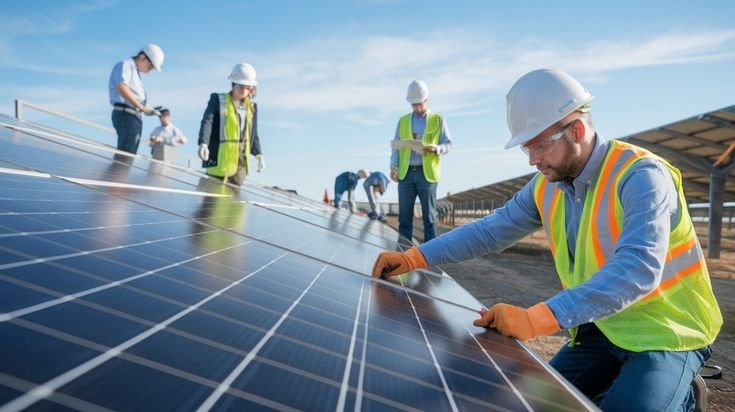
    Implementing a well-designed solar panel mounting system is pivotal for optimizing energy production, ensuring structural integrity, and enhancing the longevity of solar installations. Below are the key benefits:

    1. Enhanced Energy Efficiency

    A properly installed mounting system ensures that solar panels are positioned at optimal angles and orientations, maximizing sunlight exposure. This strategic positioning significantly boosts energy capture, leading to increased system efficiency.

    2. Structural Stability and Safety

    Quality mounting systems provide robust support, securing panels against adverse weather conditions such as high winds and heavy snow loads. This stability is crucial for maintaining the safety and integrity of both the solar panels and the building structure.

    3. Durability and Longevity

    Durable mounting components, typically made from materials like aluminum or galvanized steel, protect solar panels from environmental stresses. This resilience reduces the risk of damage, thereby extending the lifespan of the entire solar energy system.

    4. Optimal Airflow and Cooling

    Elevated mounting systems facilitate better airflow around solar panels, aiding in natural cooling. Maintaining lower operating temperatures enhances panel performance and reduces the likelihood of overheating, which can degrade efficiency.

    5. Ease of Maintenance

    Accessible mounting designs simplify the cleaning and maintenance processes. Regular upkeep is essential for sustaining optimal performance and addressing issues such as dust accumulation or debris obstruction.

    6. Adaptability to Various Environments

    Advanced mounting systems, including tracking and bifacial setups, allow for customization based on geographic location and environmental conditions. These systems can enhance energy production by adjusting panel positioning to follow the sun’s path or by capturing reflected light from the ground.

    Challenges in Solar Panel Mounting

    1. Structural Integrity and Roof Load Capacity

    Many commercial buildings, especially older ones, may not be structurally equipped to handle the weight of a solar energy system. Common issues include insufficient roof load capacity for solar panels and racking systems, aging materials that may require roof reinforcement or replacement before installation, and limited rooftop space for an optimally sized system. Addressing these concerns often necessitates structural assessments and potential modifications to ensure safety and performance.

    2. Weather Resistance and Durability

    In regions prone to extreme weather conditions, such as high winds and heavy rainfall, the durability of mounting structures becomes critical. Substandard installations using non-engineered designs and low-quality materials can fail to withstand routine weather events, leading to system damage and safety hazards. For instance, a recent storm in India revealed that several rooftop solar systems collapsed due to poor-quality installations, highlighting the importance of using engineered designs and quality materials.

    3. Shading and Orientation Constraints

    Shading from nearby structures or trees can significantly reduce the efficiency of solar panels. Additionally, roofs with suboptimal orientation or tilt angles may not capture maximum sunlight, leading to decreased energy production. To mitigate these issues, it’s essential to conduct a detailed site assessment to identify potential shading sources and consider panel layouts or tracking systems that optimize solar exposure.

    4. Complex Installation and Maintenance

    The installation of solar panel mounting systems requires skilled labor and precise execution. Improper installation can lead to issues such as roof damage, leaks, and electrical hazards. Moreover, certain mounting systems may complicate cleaning and maintenance procedures, potentially leading to reduced system performance over time. Ensuring accessibility and proper design can alleviate these challenges.

    5. Regulatory Compliance and Permitting

    Navigating local regulations and obtaining necessary permits can be a complex process. Failure to comply with zoning laws, building codes, and safety standards can result in project delays, fines, or even the need to dismantle installed systems. It’s crucial to work with experienced professionals who are familiar with local regulations to ensure a smooth installation process.

    Step-by-Step Installation Process

    1. Pre-Installation Planning

    • The site assessment for solar panel installation involves evaluating the roof’s structural integrity, orientation, and shading to determine the optimal placement of panels. The system design phase includes calculating the number of panels required and selecting suitable solar panel mounting systems—whether fixed, adjustable, or tracking mounts—tailored to energy needs and specific roof characteristics. Finally, securing permits and approvals from local authorities is essential to ensure compliance with building codes and regulations.

    2. Material Procurement

    • Assembling a solar panel system requires careful selection of components. Key items include roof attachments, mounting rails, module clamps, and flashing kits appropriate for flat, sloped, or metal roofs. Choosing high-quality solar panels and inverters that match the system design is critical. Additionally, gathering electrical components such as wiring, connectors (like MC4), junction boxes, and safety equipment is necessary to complete the installation.

    3. Roof Preparation

    • Safety is paramount during installation. Scaffolding or fall protection systems should be set up to protect workers. A thorough roof inspection should be conducted to identify any damage or reinforcement needs. The roof surface must also be cleaned of debris to ensure ideal conditions for solar panel mounting.

    4. Mounting System Installation

    • Begin by marking the layout for roof attachments to ensure proper spacing and alignment. Install roof anchors or brackets securely, using appropriate fasteners and flashing to prevent leaks. Attach the mounting rails horizontally or vertically to the anchors, ensuring they are level and stable. Finally, install module clamps—both end and mid clamps—onto the rails, leaving space for panel expansion. This completes the foundation for solar panel mounting.

    5. Solar Panel Installation

    • Lift and position solar panels onto the mounted rails, aligning them with the clamps. Secure the panels by tightening the clamps, ensuring they are level and correctly aligned. Route wiring through designated channels carefully, avoiding sharp bends or potential damage points to maintain safety and performance.

    6. Electrical Connections

    • Connect panels in series or parallel based on system design using MC4 connectors for secure connections. Link the panel array to the inverter, maintaining correct polarity and ensuring all connections are firm. Ground the system according to electrical codes to minimize hazards. Proper solar panel mounting ensures that electrical pathways remain organized and accessible for maintenance.

    7. System Testing and Commissioning

    • Perform voltage and continuity checks to verify all electrical connections. Configure inverter settings according to manufacturer specifications and local grid requirements. Monitor system performance to ensure it operates within expected parameters and delivers optimal energy output.

    8. Final Inspection and Documentation

    • Conduct a comprehensive inspection to ensure all components, including the solar panel mounting system, are installed securely and functioning properly. Provide documentation to the client, including system manuals, warranty details, and maintenance guidelines. Additionally, train facility personnel on operating the system and handling basic troubleshooting issues if required.
    Cost of Solar Panel Mounting Systems

    1. Material Costs

    • Aluminum mounting structures are typically priced between ₹270 and ₹280 per kg, leading to a total cost of approximately ₹4,500 to ₹5,000 for a 1kW solar system. In contrast, steel mounting structures are usually priced around ₹80 to ₹85 per watt, resulting in a total cost of approximately ₹8,000 to ₹8,500 for a 1kW system. Ballast mounting systems have a cost of about ₹1,800 per kilowatt. Additionally, fasteners and accessories, such as end and mid clamps, vary in price from ₹62 to ₹230 each, depending on their size and material composition. Furthermore, integrating tracking systems, particularly single-axis trackers, can elevate material costs by 15% to 25% compared to fixed mounting solutions.

    2. Labor Costs

    • Installation charges for systems generally range from ₹5,000 to ₹8,000 per kilowatt, influenced by the complexity of the installation. Additional costs may arise for engineering and design, particularly for custom or large-scale installations, which may require structural analysis and design services.

    3. Operation & Maintenance (O&M) Costs

    • Annual maintenance costs range from ₹2,000 to ₹5,000 per kW each year. The maintenance services encompass various tasks, including cleaning, inspections, and minor repairs.

    Future of Solar Panel Mounting Systems

    The future of solar panel mounting systems is poised for significant transformation, driven by technological innovations, sustainability initiatives, and increasing energy demands. Advanced and adaptive solar panel mounting solutions, such as adjustable and tracking systems, allow panels to follow the sun’s trajectory, optimizing energy capture throughout the day. Installation efficiency is improving through lightweight materials, integrated adhesives, and pre-applied sealants, which streamline the solar panel mounting process while enhancing durability.

    Sustainable designs are also gaining prominence, with recyclable materials and advanced alloys reducing environmental impact and transportation costs. Automation and digital integration further improve solar panel mounting precision, with software tools enabling optimized site analysis and layout design. Innovative applications, including solar carports and installations between railway tracks, maximize the use of underutilized spaces, generating renewable energy without disrupting existing infrastructure. These developments indicate that solar panel mounting systems will become more efficient, durable, and essential to the global adoption of solar energy.

    Conclusion

    In conclusion, the choice of a solar panel mounting system is far more than a structural decision—it is the backbone of any successful solar energy project. From rooftops and ground-mounted systems to carports, floating platforms, and agrivoltaic solutions, the mounting infrastructure plays a pivotal role in ensuring optimal energy capture, system durability, and long-term return on investment. Each mounting solution comes with its unique advantages and challenges, whether it’s maximizing unused rooftop space, leveraging open land for large-scale solar parks, integrating with agricultural practices, or innovating with floating and building-integrated photovoltaics.

    As the solar industry continues to evolve, incorporating adaptive technologies, recyclable materials, and smart tracking systems into solar panel mounting solutions has become essential for efficiency, sustainability, and scalability. A well-engineered mounting system not only enhances energy generation but also reduces maintenance costs and safeguards the panels against environmental stressors like wind, rain, and corrosion. For businesses, industrial facilities, and large-scale projects, the decision to invest in high-quality solar panel mounting infrastructure directly impacts performance, safety, and the longevity of your solar installation.

    Take the Next Step Toward a Sustainable Future: Don’t leave your solar project to chance. Partner with our expert team to design, procure, and install the perfect solar panel mounting system tailored to your facility’s unique needs. From consultation and feasibility studies to installation, commissioning, and maintenance, we provide end-to-end solutions that maximize efficiency, minimize costs, and help your business harness the full potential of solar energy. Start your journey toward reliable, clean, and cost-effective solar power today and secure a smarter, greener energy future for your facility.

    Frequently Asked Questions (FAQs) on Solar Panel Mounting Systems

    1. What are solar panel mounting systems?

    Solar panel mounting systems are structural frameworks designed to secure solar panels to roofs, walls, or the ground. They ensure the panels are positioned at optimal angles for sunlight exposure, providing stability and durability against environmental factors.

    2. What types of solar panel mounting systems are available?

    There are primarily three types:

    • Roof-Mounted Systems: Ideal for residential and commercial buildings, utilizing existing roof space.
    • Ground-Mounted Systems: Suitable for areas with ample land, offering flexibility in panel orientation.
    • Pole-Mounted Systems: Elevated mounts that can reduce shading and are often used in open fields.

    3. How do I choose the right mounting system for my property?

    Factors to consider include roof type, available space, local climate conditions, and aesthetic preferences. Consulting with a professional installer can help determine the most suitable system for your needs.

    4. What materials are commonly used in mounting systems?

    Mounting systems are typically constructed from corrosion-resistant materials such as aluminum and stainless steel to withstand various weather conditions and ensure longevity.

    5. How do mounting systems affect the efficiency of solar panels?

    Properly designed mounting systems ensure panels are positioned at optimal angles, reducing shading and maximizing sunlight exposure, thereby enhancing energy efficiency.
    5 Key Technologies Powering the Future of Solar Energy Solution

    Solar Energy Solution

    In the last decade, the global energy landscape has undergone a profound transformation. Businesses and industries are increasingly seeking cleaner, more sustainable solar energy solutions to reduce costs, meet regulatory requirements, and align with corporate social responsibility initiatives. Among all renewable energy sources, a solar energy solution stands out as the most accessible, efficient, and scalable option. At Soleos Solar Energy, we specialize in providing cutting-edge solar energy solutions through our EPC expertise, empowering businesses to harness the sun’s potential and transform it into a reliable and profitable energy source.

    This comprehensive guide delves deep into solar energy solutions, highlighting how industries can benefit, the technology behind solar power systems, implementation strategies, and the future of solar energy globally.

    Introduction to Solar Energy Solution

    In 2025, solar energy has transitioned from an alternative to a primary driver of global clean energy expansion, adopted by industries, governments, and communities for sustainability, cost reduction, supply chain resilience, and climate action. Global solar PV capacity reached over 2.2 terawatts (TW) in 2024, with a record 453 GW added, and is projected to exceed 7.5 TW by 2035, becoming the largest source of new power generation. Industrial solar energy solutions in 2025 encompass advanced rooftop systems, large-scale ground-mounted solar parks, multipurpose solar carports and agrivoltaics, hybrid solar with storage models for reliability, and AI/IoT-enabled energy management for efficiency and predictive maintenance.

    Why Industries Should Adopt Solar Energy

    1. Significant Reduction in Energy Costs

    For industrial facilities such as manufacturing units, warehouses, and plants, electricity bills remain one of the largest recurring operational costs. A solar energy solution provides a direct and effective way to reduce this financial burden. By adopting the right solar energy solution, industries can cut energy expenses by 30% to 50%, depending on system size and location.

    Most industrial-scale solar energy solutions achieve payback within 3 to 5 years, after which electricity generation is essentially free for over two decades. Unlike volatile fossil fuel or grid tariffs, a solar energy solution ensures stable and predictable energy costs, turning a major operating expense into a long-term source of financial savings.

    2. Enhanced Energy Security & Operational Reliability

    Solar energy significantly bolsters energy security for industries reliant on uninterrupted power. It achieves this by diminishing dependence on the external grid, thereby reducing the risk of operational interruptions during power outages or grid failures. The integration of battery storage within hybrid solar systems allows companies to accumulate excess energy, ensuring continuous functionality even when the grid is offline.

    This increased energy autonomy is particularly beneficial for industrial and manufacturing facilities, where power disruptions can result in costly operational downtime. By lowering reliance on the grid and imported fossil fuels, industries gain enhanced control over their energy provision, diminished exposure to supply chain vulnerabilities, and improved resilience against changes in policy or market conditions.

    3. Attractive Government Incentives, Subsidies & Financial Benefits

    The Indian government is actively promoting the adoption of solar energy solutions in the Commercial & Industrial (C&I) sector by offering a range of financial incentives. One of the most impactful benefits is accelerated depreciation, which allows businesses to claim up to 40% depreciation on their solar energy solution investment in the first year, thereby reducing taxable income.

    In addition, subsidies and grants are available for certain solar installations, lowering upfront costs and making the transition more financially viable. Net-metering policies further strengthen the business case for solar energy solutions by enabling companies to export surplus electricity back to the grid, earning credits that offset future power bills. Collectively, these policies make the adoption of solar energy solutions highly attractive and economically sustainable for large-scale industries.

    4. Long Asset Life & Low Maintenance

    Adopting a solar energy solution is not just about immediate savings — it’s a long-term investment that enhances industrial property value and energy security. Facilities equipped with solar energy solutions typically command higher valuations due to reduced operating expenses and improved energy independence. Over their 25–30 year lifespan, these systems require minimal maintenance, ensuring consistent performance with low operational effort.

    Moreover, industries using solar energy solutions can generate additional revenue streams by selling surplus energy to the grid, particularly during periods of reduced consumption. Beyond the financial returns, the adoption of solar energy solutions demonstrates a strong commitment to sustainability, opening doors to new business collaborations, investor confidence, and long-term growth opportunities.

    Types of Solar Energy Solutions for Industries

    1. Rooftop Solar Systems

    One of the most widely adopted solar energy solutions for industries is the rooftop system. Panels can be installed on factories, warehouses, or production buildings, utilizing both flat and pitched roofs. This solar energy solution leverages unused roof space, minimizing land and permitting costs while reducing transmission losses by generating power at the point of use. Installation is faster since existing infrastructure is used, delivering a quicker ROI. Challenges include ensuring roof strength, managing tilt and shading, and addressing safety and maintenance access. This solar energy solution is best suited for industries with large, structurally sound roofs and high daytime electricity demand.

    2. Ground-Mounted Solar Plants

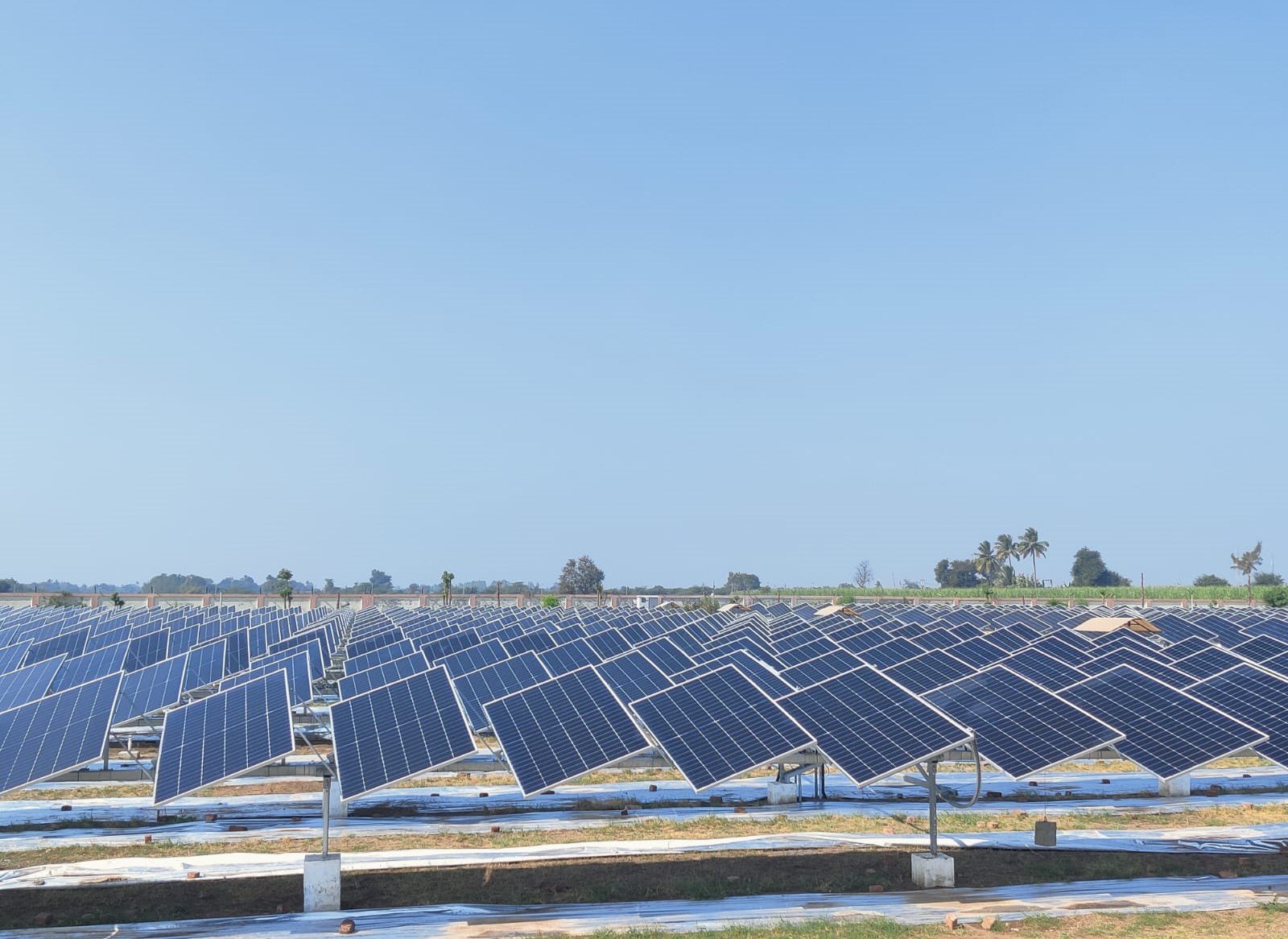
    Ground-mounted systems are a scalable solar energy solution ideal for industries with access to land. These plants can use fixed-tilt or tracking panels to maximize solar output. They provide flexibility in orientation and spacing, higher efficiency, and easy maintenance access. However, this solar energy solution requires significant land, investment in civil works, and reliable grid connectivity. It is most suitable for industries prioritizing high output, long-term scalability, and efficiency.

    3. Solar Carports

    Solar carports represent a dual-purpose solar energy solution where panels are mounted on parking canopies. They provide shaded parking and generate electricity, making them highly attractive for industries with large fleets or extensive parking areas. Carports can also integrate EV charging infrastructure, supporting future mobility goals. The primary challenge of this solar energy solution is higher structural and material costs. Still, it is a strong option for businesses looking to combine functionality, sustainability, and employee amenities.

    4. Building-Integrated Photovoltaics (BIPV)

    BIPV is an innovative solar energy solution where solar cells are integrated into building elements such as façades, rooftops, skylights, or windows. This replaces conventional building materials while generating electricity. Key benefits include aesthetics, efficient use of space, and green building credentials. That said, this solar energy solution often comes at a higher cost per watt and requires careful design to ensure efficiency, thermal management, and water tightness. It is best suited for new construction or industries seeking architectural appeal and strong sustainability branding.

    5. Solar Agrivoltaics

    Agrivoltaics is a dual-purpose solar energy solution that combines power generation with agriculture. Panels are installed above or alongside crops, allowing industries to produce energy and maintain agricultural yields simultaneously. Benefits include dual revenue streams, reduced soil evaporation, and support for biodiversity. The challenge with this solar energy solution lies in balancing crop growth requirements with panel performance, higher upfront costs, and regulatory hurdles. It is best for agro-based industries or companies with access to agricultural land.

    6. Floating Solar

    Floating solar is an emerging solar energy solution where panels are mounted on floating platforms over reservoirs, ponds, or lakes. This technology conserves land, improves panel efficiency due to cooler temperatures, and reduces water evaporation. However, this solar energy solution requires specialized anchoring, higher initial investment, and careful attention to environmental regulations. It is best suited for industries near water bodies or with limited land availability.

    7. On-Grid vs Off-Grid / Hybrid / Captive Models

    Solar energy systems are categorized as on-grid, off-grid, or hybrid, with captive/group captive models for industrial sharing. On-grid systems connect to the utility grid for buying/selling power, offering cost benefits. Off-grid systems are independent and require storage, providing energy independence for remote areas. Hybrid systems integrate solar, storage, and backup power. Advantages include cost savings and grid monetization (on-grid), energy independence (off-grid), assured availability (hybrid), and cost-sharing/scalability (captive). Challenges include grid instability and regulations (on-grid), high battery costs (off-grid), design complexity (hybrid), and coordination needs (captive/group).

    8. Concentrated Solar Power (CSP)

    CSP is a thermal-based solar energy solution that uses mirrors or lenses to focus sunlight for steam and high-temperature industrial processes. This makes it particularly suitable for heavy industries like textiles, food processing, or chemicals that require process heat. While this solar energy solution can deliver dispatchable power with thermal storage, it requires high sunlight conditions, greater capital investment, and advanced infrastructure.

    Technology Behind Solar Energy Solutions

    1. Solar PV Modules & Cell Technologies

    Solar energy solutions leverage advanced photovoltaic (PV) module technologies, such as PERC (Passivated Emitter Rear Cell) and Silicon Heterojunction (SHJ), to enhance efficiency, durability, and return on investment, particularly in industrial applications. PERC technology improves light capture through rear-side passivation, leading to approximately 1% higher efficiency than traditional silicon panels and better performance in heat and low light. SHJ cells combine crystalline silicon with amorphous silicon layers for superior passivation, high open-circuit voltages, and excellent temperature coefficients, with recent efficiencies reaching 26.8% and demonstrating strong long-term reliability.

    These advanced technologies allow for greater power output per square meter, reducing the number of panels and associated balance-of-system costs, while also improving reliability and ROI in challenging environmental conditions. The choice of module technology depends on factors including local climate, space constraints, cost versus lifetime performance trade-offs, and design considerations for maintenance and degradation.

    2. Inverters & Power Electronics

    Inverters for photovoltaic (PV) systems convert direct current (DC) from PV modules into alternating current (AC) for industrial use or grid export. They also manage voltage, current, and safety, often integrating with energy storage systems. Recent advancements include smart/hybrid inverters that manage grid-tied operations, battery storage, and backup power, optimizing power distribution. Grid-tie and hybrid models facilitate energy export, net-metering, and load balancing. Innovations in semiconductor materials and control firmware enhance efficiency, response to shading, and performance in various environmental conditions. Key industrial considerations include proper inverter sizing, reliability, efficiency under partial loads or shading, support for export and storage, remote monitoring capabilities, and the inverter’s lifespan and warranty, which is typically shorter than that of PV modules.

    3. Mounting & Tracking Structures

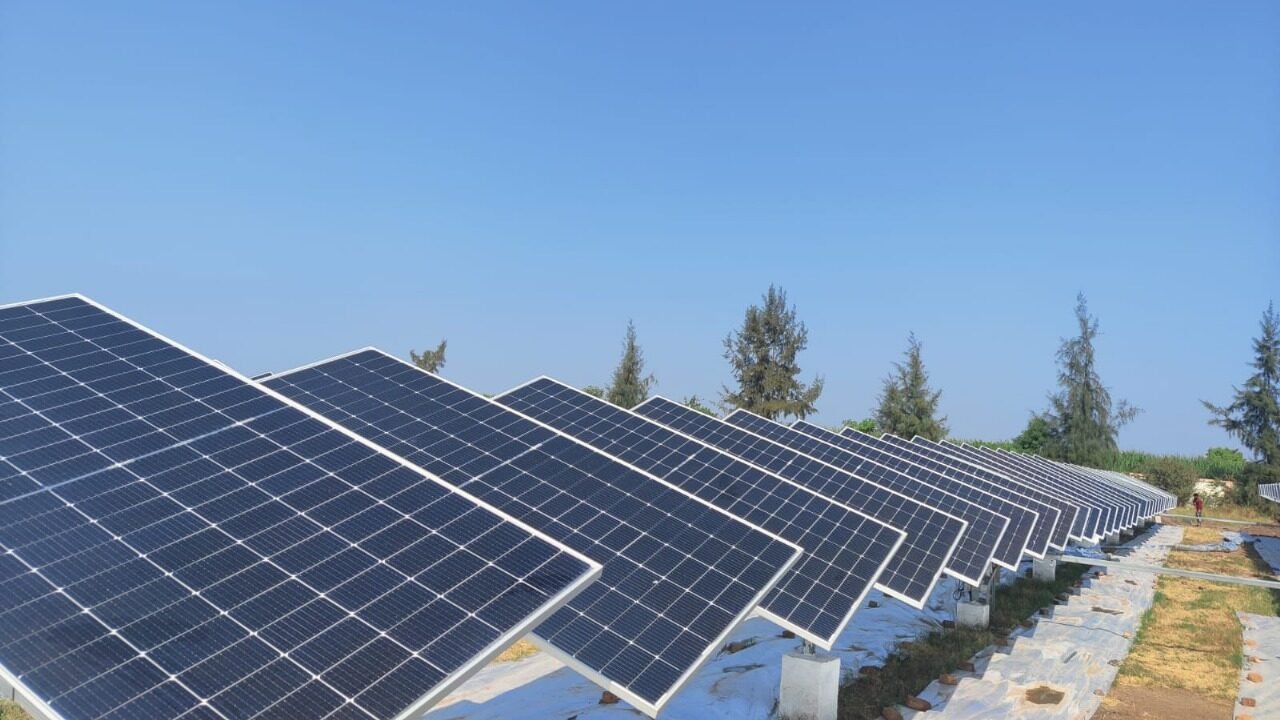
    The physical support and orientation of solar panels are crucial for their performance and longevity. This encompasses aspects such as mounting systems, tracking mechanisms, tilt, angle, and structural integrity. Innovations and best practices include the use of single-axis and dual-axis trackers to maximize energy yield by keeping panels aligned with the sun, and the selection of durable mounting materials like galvanized steel and aluminum with corrosion protection to withstand various climatic conditions.

    Optimized tilt, spacing, and layout are also important to minimize shading, facilitate maintenance, and enhance energy capture. These factors are vital for return on investment (ROI), as even minor deviations in angle or shading can significantly reduce energy yields. Inadequate mounting design can result in maintenance problems or module damage. While tracking systems add cost, they can be economically viable for large installations or in scenarios where land costs are lower than the combined cost of panels and installation.

    4. Energy Storage Systems (ESS)

    Energy storage systems, such as batteries, are essential for solar energy solutions, enabling the storage of surplus energy produced during peak sunlight for later use during evenings, cloudy periods, or power outages, thereby ensuring 24/7 reliability and usability. Key trends include the continued dominance of lithium-ion batteries in industrial systems due to their energy density and decreasing costs, alongside exploration of flow batteries and other long-duration storage for industrial and grid-scale applications requiring longer backup or more frequent daily cycles.

    Advancements in Battery Management Systems (BMS) are also noted, focusing on predictive diagnostics to manage degradation and extend battery lifespan. For industrial users, critical factors to consider include the size of storage required, which is determined by load profile and desired autonomy, and the cost-benefit analysis, weighing the added capital cost against improved self-consumption rates and reliability. Furthermore, the lifecycle, safety, warranties, and cycling performance of storage systems are crucial considerations.

    5. Monitoring, Control & Digitalization

    Systems and software designed to monitor the performance of all components within a solar energy solution, including modules, inverters, storage, and loads. These systems incorporate technologies such as SCADA, IoT sensors, and AI/ML analytics. Recent advancements include smart inverters and cloud-connected monitoring that provide early fault alerts for issues like hot spots, shading, or inverter malfunctions, thereby preventing performance losses. Furthermore, AI/ML models are being developed to forecast performance declines and optimize energy dispatch among solar, storage, and the grid. Real-time performance and energy dashboards are also available for tracking energy yield, validating return on investment, and predicting maintenance needs.

    Designing a Solar Energy Solution for Industrial Needs

    1. Energy Audit & Load Analysis: Understanding the factory or plant’s current electricity consumption is the first step. This involves analyzing daily, monthly, and seasonal usage patterns, identifying peak load requirements, and determining critical operations that require uninterrupted power. This ensures the solar system is designed to match actual energy needs.
    2. Site Assessment & Solar Resource Evaluation: A detailed study of the available rooftop or ground space is conducted to check orientation, shading, and structural stability. Tools like solar irradiance mapping and drone surveys help estimate the energy generation potential at the site, ensuring accurate system design.
    3. System Design & Configuration: Based on the audit and site study, engineers select the right type of solar panels (mono-PERC, bifacial, or thin-film), inverter systems (string, central, or hybrid), and mounting structures (fixed or tracking). The system size, layout, and angle are designed for maximum output and efficiency.
    4. Financial Planning & ROI Analysis: Industries need to calculate project costs, expected savings, and payback periods. Financial modeling includes evaluating government incentives such as accelerated depreciation, subsidies, and net-metering benefits. Ownership models like CAPEX, OPEX, or Power Purchase Agreements (PPAs) are chosen depending on budget and long-term goals.
    5. Regulatory Compliance & Approvals: Before installation, businesses must secure permits and approvals from local authorities and utility providers. Compliance with building codes, grid interconnection policies, and safety standards is mandatory. Proper documentation like system diagrams and technical layouts ensures smoother approval.
    6. Installation & Commissioning: This phase involves actual system setup, including mounting panels, connecting inverters, and wiring. Strict quality control is applied to ensure safety, performance, and reliability. After installation, the system undergoes commissioning tests to confirm it meets design expectations before going live.
    7. Operation, Maintenance & Monitoring: A solar energy solution requires minimal but regular upkeep. This includes cleaning panels, checking wiring, inspecting inverters, and monitoring performance using advanced SCADA or IoT systems. Predictive maintenance ensures efficiency and extends system lifespan.
    8. Performance Verification & Continuous Improvement: Once operational, the system’s performance is tracked and compared against projections. Data analysis helps industries fine-tune operations, expand capacity if needed, and maximize returns. Reports on energy savings and carbon reductions also strengthen sustainability credentials.

    Economic Benefits of Industrial Solar Solutions

    1. High Return on Investment (ROI)

    Industries in India are seeing very attractive ROIs with solar energy investments. According to a Mercom India report, Commercial & Industrial firms switching to rooftop solar typically achieve 20–25% ROI, helped by high grid tariffs and favorable incentives. Payback periods often fall in the 3–5 years range for well-designed systems. These high ROIs make solar not just a sustainability decision, but a compelling financial decision.

    2. Significant Energy Cost Savings

    In many cases, solar energy allows industrial units to lower electricity bills substantially. Open access solar in states like Tamil Nadu has enabled savings of about ₹2/kWh for industrial customers, much lower than typical industrial grid tariffs. Because solar generation aligns with daytime peak demand, factories can offset expensive grid power purchases. Over years, these savings accumulate to very large sums.

    3. Policy Incentives & Tax Advantages

    Solar energy solutions are made financially efficient for businesses through several key policy mechanisms: Accelerated Depreciation (AD) allows for up to 40% depreciation on solar assets in the first year, thereby reducing taxable income. Reductions in Goods & Services Tax (GST) and customs duties on solar modules and components decrease upfront equipment costs. Furthermore, Net Metering/Net Billing and Open Access Policies, implemented in most states, enable commercial and industrial rooftop solar users to export surplus energy to the grid or purchase solar power through open access. These measures collectively shorten the payback period and enhance cash flow benefits.

    4. Cost Competitiveness vs Grid & Fuel

    Solar energy is significantly more cost-effective than many conventional energy sources, particularly when considering grid tariffs, diesel backup fuel expenses, or high industrial electricity rates. For instance, industrial solar installations can reduce energy costs to as low as INR 4 per unit in appropriate circumstances, potentially saving a customer using approximately 50,000 units over INR 2 lakhs monthly. For power-intensive sectors such as steel, cement, and aluminum, even a modest 5–10% decrease in production costs through solar integration can result in substantial absolute financial savings. An Ember analysis indicated that incorporating solar in certain steel operations could lower operating expenses by up to around 10%.

    5. Long-Term Savings & Stability

    Once the solar system is installed, power generation costs are nearly fixed, aside from maintenance. This gives industrial units protection from volatile electricity tariffs or fuel price hikes. The lifespan of solar plants (25+ years) means that after recovering upfront investment, nearly all generated electricity becomes net savings. Furthermore, reduced need for diesel generator backup or peak power purchases adds to long-term savings.

    6. Enhanced Business Value & Competitive Positioning

    Using solar energy solutions helps industries strengthen their ESG (Environmental, Social, Governance) credentials, which increasingly matters for suppliers, customers, investors. Better ESG performance can open doors to green financing, lower borrowing costs, or preferential tendering. Also, stable energy costs mean more predictable budgets — helping in financial planning and reducing risk.

    Environmental Impact of Solar Energy

    1. Reduction in Greenhouse Gas Emissions
    Since solar power generation emits almost no CO₂ during operation, solar energy plays a critical role in reducing India’s carbon footprint. Replacing coal and other fossil fuels with solar helps India move toward its climate targets, such as those under the Paris Agreement.

    2. Lower Air Pollution
    Solar eliminates many of the harmful emissions associated with conventional thermal power—sulfur dioxide (SO₂), nitrogen oxides (NOₓ), particulates—that worsen respiratory health and degrade environmental quality. This is especially beneficial in urban and industrial areas with high pollution burdens.

    3. Water Conservation
    Thermal power plants use large amounts of water—for cooling, ash handling, and emissions control. Solar PV systems require very little water, limited mainly to panel cleaning and occasional system maintenance. This is a major environmental benefit in water-scarce regions like Rajasthan, Andhra Pradesh, etc.

    4. Efficient Use of Degraded/Non-Agricultural Lands
    Studies show there is large potential in India to build solar energy installations on degraded lands, abandoned lands, rooftops, and unused built-spaces, reducing pressure on fertile agricultural lands and natural ecosystems. Using these lands helps avoid many negative impacts tied to converting productive lands.

    5. Faster Energy Payback & Low Lifecycle Emissions
    According to assessments, PV modules in India and globally have energy payback times (non-renewable energy used in manufacturing vs energy generated) of about one year. Lifecycle emissions for solar electricity are much lower than fossil fuel-based sources.

    Solar energy is rapidly transforming India’s energy landscape, with the country already surpassing 100 GW of installed solar capacity and moving toward its ambitious goal of 500 GW of non-fossil capacity by 2030. This expansion is not limited to large utility-scale plants but also includes a surge in rooftop and distributed solar systems. A key trend shaping the future is the localization of supply chains, as India invests heavily in domestic manufacturing of modules, cells, and wafers, supported by government incentives and upcoming regulations such as the Approved List of Models & Manufacturers (ALMM) for wafers by 2028.

    Another major shift is the integration of solar with energy storage systems, making renewable power more reliable beyond daylight hours. This goes hand in hand with the rise of hybrid projects that combine solar, wind, and storage to provide round-the-clock clean energy while strengthening grid stability. Technological advancements are also driving higher efficiencies, with new cell technologies like TOPCon, HJT, bifacial, and perovskite panels delivering greater output per unit area—particularly valuable for industries where space is limited. Meanwhile, innovative deployment models such as floating solar, agrivoltaics, and solar carports are optimizing land use, conserving water, and enabling dual benefits.

    The adoption of digital technologies, AI, IoT, and drones is further improving operations and maintenance, reducing downtime, and enhancing system reliability. On the policy side, reductions in GST, stricter quality standards, and stronger infrastructure support are creating a more favorable environment for solar investments. Overall, the future of solar energy in India is being shaped by scalability, innovation, and reliability, positioning it as not just an alternative energy source but a cornerstone of sustainable industrial and economic growth.

    Implementing a Solar Energy Solution: Step-by-Step

    1. Consultation: The process begins with a consultation to understand the industry’s energy requirements, site conditions, and long-term goals. This step helps define the scope and type of solar energy solution most suitable for the facility.
    2. Feasibility Study: A detailed technical and financial analysis is carried out. This includes assessing rooftop or land space, solar irradiance, shading, structural strength, and evaluating ROI, payback period, and incentives.
    3. System Design: Engineers create a customized design tailored to industrial needs. This includes selecting the right solar panels (mono-PERC, bifacial, thin-film), inverters (string or central), mounting structures, and storage solutions, ensuring maximum efficiency and safety.
    4. Procurement & Installation: High-quality solar modules, inverters, and balance-of-system components are procured from certified suppliers. An experienced EPC team executes the installation with minimal disruption to industrial operations.
    5. Commissioning: Once installed, the solar energy solution undergoes rigorous testing to validate performance, safety, and compliance with standards. The system is then connected to the grid or designed as per the chosen model (on-grid, hybrid, or off-grid).
    6. Monitoring & Maintenance: Continuous monitoring ensures the system runs at peak efficiency. Regular cleaning, inspections, and preventive maintenance extend the lifespan of the solar energy solution while maintaining consistent output.

    The Future of Industrial Solar Energy

    India is demonstrating significant global leadership in industrial solar energy, propelled by substantial investments, technological advancements, and supportive government policies. The nation’s solar capacity has surpassed 100 GW, with a target of 500 GW of renewable energy capacity by 2030, placing solar power at the core of its energy strategy.

    Key drivers include:

    • Major Investments: Companies like the RP-Sanjiv Goenka Group are investing over ₹3,000 crore in solar cell and energy storage facilities, aiming to create jobs and boost economic development. Reliance Industries is developing the Dhirubhai Ambani Green Energy Giga Complex, focusing on large-scale solar photovoltaic module and energy storage manufacturing.
    • Technological Innovations: The adoption of bifacial solar panels, advanced energy storage solutions, hybrid solar-wind systems, and smart grid integration are enhancing energy yield, reliability, and efficiency in power management.
    • Policy Support: A reduction in GST on renewable energy equipment from 12% to 5% is lowering procurement costs for industries, with anticipated annual savings of ₹3,000 crore for distribution companies, thus encouraging green energy adoption.
    • Global Leadership: Through initiatives like the International Solar Alliance, India actively promotes international cooperation and knowledge exchange, reinforcing its position in the global sustainable energy transition.
    • Industrial Benefits: Industries adopting solar energy stand to gain from cost savings, improved sustainability credentials, enhanced energy security, and a competitive advantage in alignment with global environmental trends.

    Conclusion

    For businesses today, solar energy is far more than just a green initiative—it’s a smart, practical, and cost-effective strategy for long-term success. With electricity costs rising, environmental regulations tightening, and stakeholders demanding stronger sustainability practices, companies must rethink how they power their operations. Solar provides the perfect answer: it reduces operational expenses, stabilizes energy supply, and strengthens your environmental commitment—all while improving brand reputation and ESG performance.More importantly, solar is not just about cutting costs; it’s about safeguarding your business against future risks and unlocking new growth opportunities.

    By making the switch now, you can save significantly on energy bills, reinvest those savings into expansion, secure reliable power, and align your business with the global shift toward a cleaner, greener future. Solar energy is more than a technology—it’s a pathway to resilience, profitability, and leadership. The time to act is now; start your solar journey today and let your business shine brighter, cleaner, and stronger than ever before.