Category Archives: Soleos

3 Types of Solar Rooftop Systems You Should Know About

Solar Rooftop

Energy is one of the largest recurring costs for commercial and industrial businesses. Add to that the volatility of grid prices, increasing demand for clean energy, and global sustainability mandates, and the answer becomes clear: solar rooftops are no longer optional—they’re essential.

But before investing in a rooftop solar system, there are many things businesses should carefully evaluate. From technical feasibility to financing, policy benefits, and operational considerations, making the right choices upfront ensures that your solar investment delivers maximum savings and long-term reliability.

This blog is your ultimate guide — covering everything you need to know before installing a solar rooftop system.

What is a Solar Rooftop System?

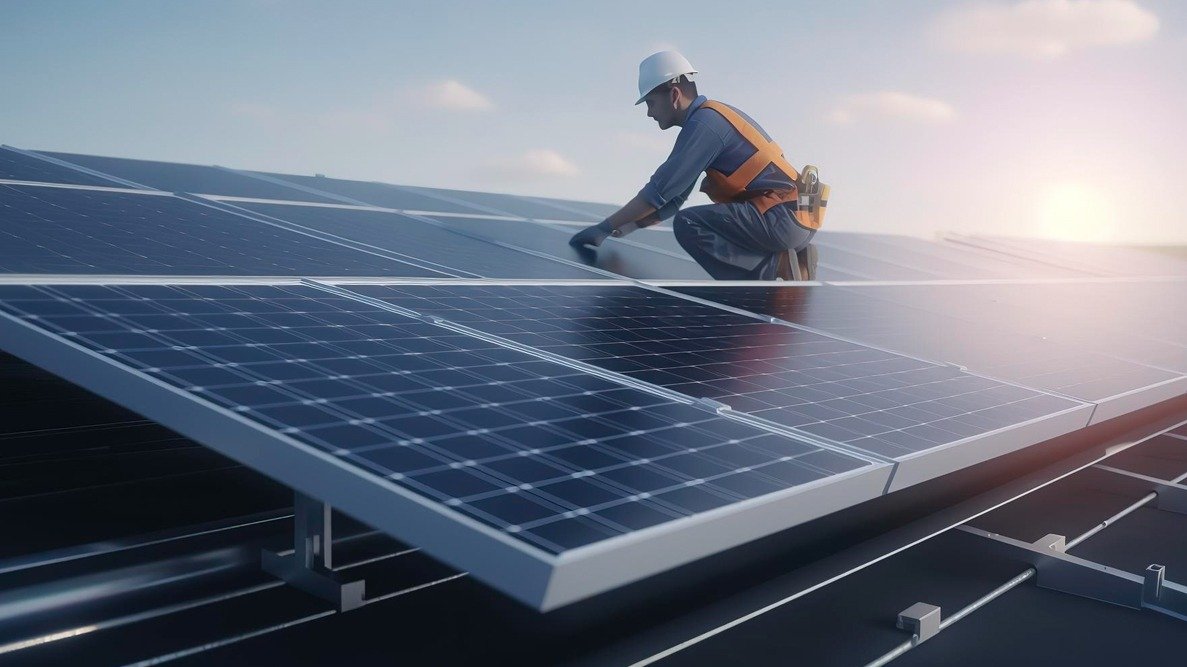
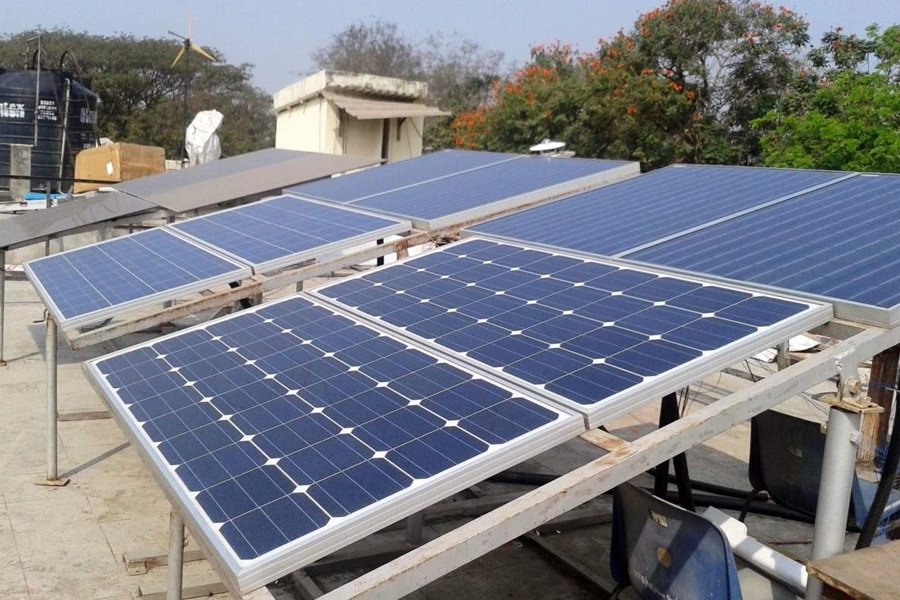
A solar rooftop system, also known as a rooftop solar PV system, consists of solar panels and related equipment installed on a building’s roof—this can encompass industrial, commercial, institutional, or residential structures. The primary function of these systems is to harness sunlight to generate electricity, which can be utilized for onsite power consumption, thereby diminishing reliance on the electrical grid. Additionally, these systems may allow users to sell excess power back to the grid.

Many configurations incorporate energy storage solutions, enhancing their reliability during power outages. The solar panels collect solar energy and convert it into electricity, benefiting various applications such as operating machinery, lighting, and climate control systems. Essentially, solar rooftop systems transform otherwise unused rooftop areas into efficient solar energy generation sites, promoting both cost savings and clean energy production.

Key Components of a Solar Rooftop System

ComponentRole / Why It Matters
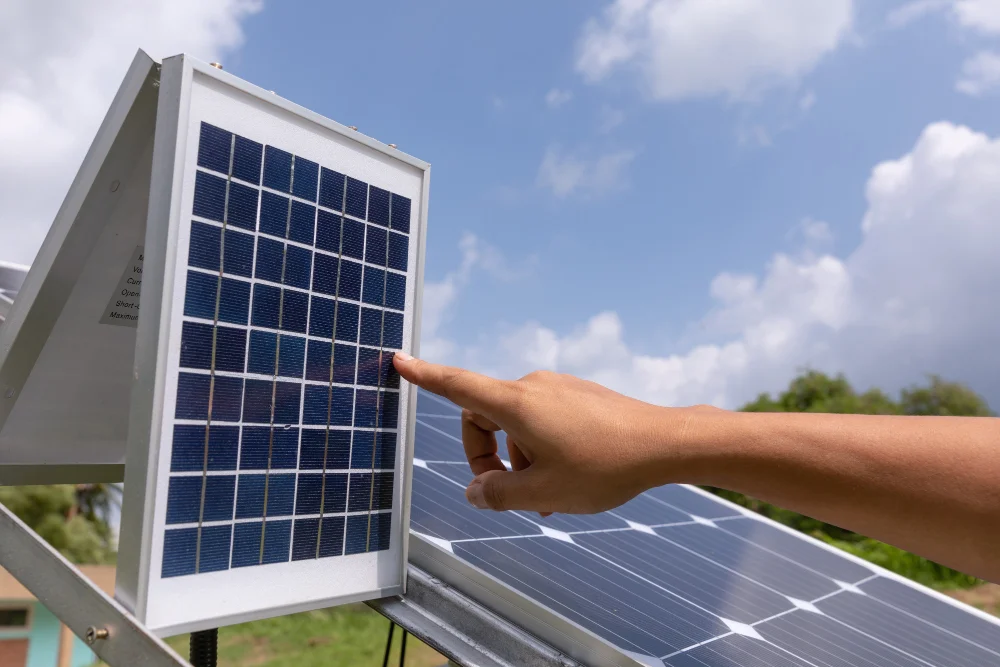
PV Modules / Solar PanelsThese are the heart of the system. They convert sunlight (photons) into Direct Current (DC) electricity. Their efficiency, durability, temperature behavior, etc., determine how much power your rooftop can generate per square meter.
Inverter(s)Converts the DC electricity generated by panels into Alternating Current (AC), which is usable by your machinery, lighting, HVAC, etc. The type (string, central, microinverter, hybrid) affects performance, cost, shading resilience.
Mounting / Racking StructureFixes the panels securely to the rooftop. Must handle structural loads (weight, wind), angle and direction for optimal sun exposure, and ensure structural integrity of your roof.
Electrical Components (Wiring, Cabling, Protectives, Safety Gear)Includes cables, junction boxes, switchgear, earthing (grounding), surge protectors, etc. They ensure safe, reliable transmission of electricity from panels to inverter to loads/grid. Weather/resilience and safety standards matter.
Monitoring & Metering SystemsAllows tracking of generation, performance losses, faults. In many grid-connected systems, net metering or bi-directional metering is used to measure what you draw vs. what you export.
Optional: Battery StorageIf you want backup power during grid outages, or to shift consumption (use solar power during peak tariff hours, or store for night use), batteries become important. Adds cost and complexity but improves reliability / energy independence.

Types of Rooftop Solar Systems

On-grid system

The rooftop solar system is integrated with the public utility grid, utilizing solar generation during daylight and drawing power from the grid when needed. It consists of solar PV panels, grid-tie inverters, wiring, and monitoring systems. Benefits include lower upfront costs, easier maintenance, quicker ROI through savings and potential sell-back of surplus energy, and regulatory incentives. However, it has limitations, such as no power during outages, dependence on favorable net-metering policies, and potential performance issues in areas with grid instability. The market has shifted significantly toward grid-connected systems, with over 98% of solar cell production in 2016 being allocated to this category.

Off-grid system

The rooftop solar system operates independently from the utility grid, relying on solar energy and storage (battery bank) to meet electricity demands. It is suitable for locations with unreliable or non-existent grid access and where energy self-reliance is necessary. Key components include solar PV panels, battery storage, off-grid inverters, and backup power sources. Advantages include energy independence, elimination of utility bills, and cost savings against tariff hikes. However, challenges include high initial costs, complexity in system sizing, significant maintenance and lifecycle costs for batteries, and risks associated with improper sizing that can lead to outages.

Hybrid System

A hybrid system integrates grid-connected and off-grid features, utilizing solar, battery, and grid resources. It includes solar panels, hybrid inverters, a battery bank, and a control system to manage energy sources. Advantages include improved resilience, better energy utilization, flexibility in operation, and potential long-term savings despite higher initial costs. Challenges involve higher capital expenses, design complexity, battery maintenance impacts on operational costs, and regulatory considerations concerning grid feeding and safety standards.
Possibility of using rooftops to generate electricity

Technical Potential: How Much Rooftops Can Generate

India’s residential rooftops have a technical solar capacity potential of approximately 637 GW, according to a report by the Council on Energy, Environment and Water (CEEW). However, when factoring in actual electricity consumption, only around 118 GW is realistically achievable without subsidies. Currently, the total installed rooftop solar capacity across all sectors in India stands at about 11 GW, which is a minor fraction of the potential. In terms of output, 1 kW-peak (kWp) of solar panels generates roughly 4 to 5 kWh per day, influenced by factors such as solar irradiation and shading. Generally, about 10 square meters (approximately 100-120 square feet) of unobstructed roof space is required to install 1 kWp of solar panels.

Opportunities: Why Rooftops Make Sense

For industrial and commercial units, particularly those with large flat or low-tilt roofs such as factories and warehouses, the installation of rooftop solar systems presents several advantages. These roofs are ideally suited for high-capacity installations with minimal structural modifications. One of the main economic benefits is the substantial reduction in electricity costs, particularly during peak hours when tariff rates are elevated. This is crucial for industries with high and consistent electricity needs. Additionally, rooftop solar enhances energy security by decreasing dependence on grid electricity, thereby lessening the impact of grid outages and fluctuations in voltage or tariffs.

Governments often support this transition through various regulatory incentives, including subsidies and favorable policies for net-metering and feed-in tariffs, which can enhance financial returns. Furthermore, adopting rooftop solar aligns with environmental, social, and governance (ESG) goals, as it helps companies meet sustainability targets by reducing carbon emissions and bolstering their brand image in an increasingly eco-conscious marketplace.

    How much of the rooftop should be used?

    Determining the effective solar panel usage on rooftops involves several critical considerations. The usable rooftop area must be free from shade, structurally sound, safe for access, and oriented to maximize solar exposure. Obstructions like HVAC units, chimneys, ducts, skylights, and surrounding buildings impact the available installation area. Typically, on large flat rooftops with few obstructions, 60–80% of the total area can be utilized. In contrast, roofs with moderate obstructions and shading allow for 50–70% usage, while complex roofs may only permit 30–50% usability.

    A guideline in regions like India suggests that 10–12 square meters of clear rooftop space is necessary for every 1 kW of installed solar capacity. The efficiency of the solar panels can affect the space required, where high-efficiency panels may decrease needs, while issues like poor orientation can increase the area needed. For instance, a factory with a 5,000 m² roof that has a 60% usable area due to obstructions could accommodate a 300 kWp solar system.

    Decision-makers must also evaluate energy requirements, roof strength, maintenance access, potential future expansions, and local regulations that could restrict rooftop installations. Comprehensive planning is essential to ensure the solar system optimizes energy generation while adhering to safety standards. Overall, most industrial and commercial roofs can typically utilize 50–80% of their space effectively, transforming rooftops into valuable energy resources.
    Cost Benefit of Solar Rooftop

    1. Capital Expenditure (CAPEX) and Subsidies

    The initial investment for a rooftop solar system varies based on capacity and location. For instance, a 5 kW system in Delhi may cost approximately ₹1.5 lakh after subsidies. Government initiatives like the PM Surya Ghar Muft Bijli Yojana provide subsidies up to ₹78,000 for systems up to 3 kW, significantly reducing upfront costs.

    2. Return on Investment (ROI) and Payback Period

    The payback period for rooftop solar systems in India typically ranges between 2.5 to 5 years, depending on factors such as system size, electricity tariffs, and energy consumption patterns. For example, a 5 kW system generating 7,000 units annually at an electricity rate of ₹8 per unit can save around ₹56,000 annually, leading to a payback period of approximately 2.7 years. Post payback, the system continues to generate savings for over 20 years.

    3. Long-Term Savings

    Over a 25-year lifespan, a rooftop solar system can yield substantial savings. For instance, a 5 kW system with annual savings of ₹56,000 can accumulate over ₹30 lakh in savings over its lifetime. These savings are bolstered by rising electricity tariffs and potential revenue from surplus energy exported to the grid.

    4. Environmental and Social Impact

    Adopting rooftop solar contributes to environmental sustainability by reducing carbon emissions. For example, Gujarat’s implementation of the PM Surya Ghar scheme has led to the installation of over 3.3 lakh rooftop solar systems, generating 1,232 MW of solar energy and preventing the emission of 1,504 metric tonnes of CO₂.

    5. Additional Financial Incentives

    Recent policy changes, such as the reduction of Goods and Services Tax (GST) on solar photovoltaic modules and wind turbine generators from 12% to 5%, have further decreased the capital costs for solar projects, enhancing the financial viability of rooftop solar installations.

    Is solar energy a good fit for your home?

    Solar rooftop energy can be an excellent fit for your home, especially if your roof receives good sunlight and has minimal shading. Installing a rooftop solar system allows you to generate your own electricity, significantly reduce your monthly energy bills, and even sell excess power back to the grid through net-metering. Government incentives and subsidies make the upfront investment more affordable, while high-quality solar panels can last 25 years or more, providing long-term savings. Additionally, rooftop solar contributes to environmental sustainability by reducing your carbon footprint and reliance on fossil fuels. Factors such as roof orientation, available space, energy consumption, and budget should be considered, but for most households, rooftop solar is a smart, cost-effective, and environmentally friendly energy solution.
    Future of Solar Rooftop

    The future of solar rooftop energy in India is extremely promising, fueled by a combination of supportive government policies, technological advancements, and increasing public awareness. Government initiatives such as the Pradhan Mantri Surya Ghar Muft Bijli Yojana aim to provide solar rooftop systems to millions of households through subsidies, while programs like PM KUSUM support farmers with solar pumps and grid-connected solar rooftop installations, aligning with India’s commitment to achieving net-zero emissions by 2070.

    The solar rooftop market in India has been expanding rapidly, with record additions of capacity in recent years, and projections indicate growth from 17.6 GW in 2025 to 41.5 GW by 2030 at a compound annual growth rate of 18.7%. Technological improvements, including higher-efficiency solar panels and advanced energy storage solutions, are enhancing the performance and viability of solar rooftop systems. Economically, these systems enable households and businesses to reduce electricity bills and, in some cases, earn revenue by selling surplus energy back to the grid.

    Environmentally, widespread adoption of solar rooftop installations contributes to lowering carbon emissions and supports India’s transition to sustainable energy. While challenges such as regulatory hurdles, financing constraints, and grid interconnection issues remain, ongoing efforts to streamline processes, improve infrastructure, and enhance financing options are helping overcome these obstacles. With continued policy support and innovation, solar rooftop energy is poised to play a transformative role in India’s energy landscape, delivering long-term economic, environmental, and societal benefits.

    Conclusion

    In conclusion, solar rooftop systems offer an unparalleled opportunity for homes, businesses, and industries to harness clean, reliable, and cost-effective energy. By transforming unused roof space into a productive asset, these systems reduce electricity bills, provide energy security, and contribute significantly to environmental sustainability. With supportive government policies, attractive incentives, and advances in solar technology, the adoption of solar rooftop solutions in India is set to accelerate rapidly in the coming years. Embracing solar rooftop energy is not just an investment in infrastructure—it is an investment in long-term savings, operational efficiency, and a greener future.

    For homeowners and businesses ready to make the transition, now is the perfect time to explore tailored solar rooftop solutions that maximize both financial and environmental benefits. Take the step today and let your rooftop become a source of clean, sustainable energy for years to come. Ready to turn your rooftop into a source of clean, cost-saving energy? Contact us today to explore customized solar rooftop solutions for your home or business and start maximizing savings while contributing to a greener future.

    11 Key Stages of the Net Metering Process in Gujarat

    Net Metering

    Net metering lets you export surplus rooftop and behind-the-meter solar to the grid and get credits against the electricity you import later. For Indian prosumers, central rules and state regulations now allow net metering for rooftop systems up to 500 kW (or sanctioned load, whichever is lower) while larger systems generally move to gross metering/net billing arrangements. Net metering changes the financial math for manufacturing facilities — it can sharply shorten payback, cut peak demand costs, and improve energy security.

    What is Net Metering?

    Net metering is a billing arrangement that records electricity imported from the grid and exported to the grid separately (using a bi-directional meter) and then bills the customer for the net energy (import minus export) over a settlement period. When your rooftop solar produces more than your factory consumes, the surplus flows to the grid and you earn credits. Later, when you draw power (night or cloudy days), those credits offset your consumption. In short: you get paid in energy credits, not immediate cash for each kWh.

    Key Features of Net Metering in Gujarat

    1. System Size Limits

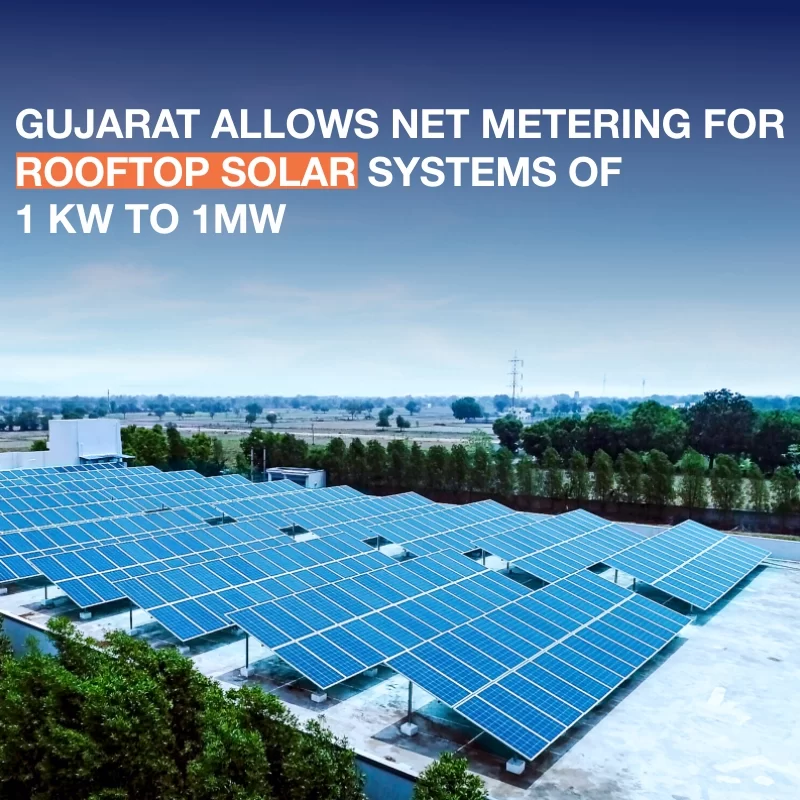
    • The Gujarat Electricity Regulatory Commission (GERC) amended its 2016 regulations on net metering for rooftop solar photovoltaic (PV) grid interactive systems through the Third Amendment Regulations, 2022. These updates allow net metering for rooftop solar systems ranging from 1 kW to 1 MW. Consumers with systems between 10 kW and 1 MW may also opt for gross metering, giving them the flexibility to either sell or separately credit their total electricity generation instead of netting it against their consumption. Overall, rooftop solar systems in the 1 kW–1 MW capacity range are now firmly within the net metering framework.

    2. Who Can Participate

    • Residential, commercial, and industrial consumers (prosumers) are eligible to adopt rooftop solar under net metering schemes. Residential projects may be set up regardless of sanctioned load, making solar accessible even where approved load is minimal, as long as systems fall within size limits. Captive solar projects designed for self-use, along with third-party sale agreements, can extend up to the sanctioned load or contracted demand, all while being integrated under net metering regulations.

    3. Metering & Billing Arrangements

    • A bi-directional meter is mandatory for net metering, as it records both electricity imports from and exports to the grid. While gross metering bills generation and consumption separately, net metering simplifies billing by offsetting solar generation against consumption, providing greater economic benefit for consumers.

    4. Treatment of Surplus/Exported Energy

    • Any energy generated but not consumed (“exported”) is first offset against the consumption during the billing period. If the exports surpass the consumption, surplus credits or compensation, such as “Surplus Injection Compensation” (SIC) rates, may be applicable. For specific consumers, like MSME manufacturing enterprises, there are established compensation rates for surplus injection for an initial duration, such as ₹2.25 per unit for certain years, before transitioning to rates linked to competitive bidding averages.

    5. Regulatory & Policy Context

    • The Third Amendment to GERC’s Net-Metering Regulations, 2022 sets forth specific size, eligibility, and metering guidelines. Additionally, the Gujarat Renewable Energy Policy 2023 endorses both net-metering and gross-metering for rooftop energy projects, offering policy support for energy accounting and settlements in alignment with billing cycles.

    6. Other Practical Conditions

    • Projects under the Renewable Energy Certificate (REC) mechanism, meant for captive use or third-party sale, are permitted up to the sanctioned load or contracted demand. In cases of rooftop solar projects installed by residential or government consumers, which operate under gross metering and are located on their own premises, the Distribution Company (DISCOM) may, under specific schemes, assume ownership or legal possession of the premises to ensure compliance with project implementation.

    Residential and Government Projects

    In Gujarat, the latest policy has made rooftop solar adoption far more flexible for households. Residential consumers can now install on-roof solar projects without any restrictions on their sanctioned load, making it possible to set up systems ranging from 1 kW to 1 MW under the GERC Net Metering Regulations. This means developers can also install rooftop systems for third-party electricity sales, with consumers entering into a lease or power purchase agreement with them.

    Under this framework, net metering enables residential users to offset their electricity bills by exporting surplus power to the grid. For projects sized between 10 kW and 1 MW, consumers also have the choice of gross metering, where the entire power generated is sold directly to the DISCOMs at regulated tariffs. DISCOMs are obligated to purchase electricity from self-owned rooftop systems or SURYA Gujarat project consumers at ₹2.25/kWh for the first five years post-commissioning, after which the rate shifts to 75% of the average tariff discovered through GUVNL’s competitive bidding. For third-party sale projects, the same procurement rules and tariffs apply, with prices updated twice a year.

    Another major benefit for households is that there are no banking fees on the energy they consume or export under the net metering mechanism. This ensures that consumers gain maximum financial advantage from their rooftop solar systems. The Gujarat Renewable Energy Policy-2023 further strengthens the framework by offering both net and gross metering options, while guaranteeing tariff benefits and surplus energy compensation for 25 years from the date of commissioning. Importantly, there are no restrictions based on contracted demand for either residential or government consumers, making rooftop solar with net metering one of the most consumer-friendly clean energy solutions in the state.

    Captive Project

    Capacity flexibility for captive solar installations does not impose specific limits; however, installed capacity must align with consumer energy requirements for efficiency. The Gujarat Renewable Energy Policy-2023 enhances economic viability by exempting captive projects from cross-subsidy and additional surcharges. Energy from captive solar systems for High Tension (HT) and Extra High Voltage (EHV) consumers can be utilized the same day between 7:00 AM and 6:00 PM, minimizing storage and export needs. Surplus energy can be compensated by the Distribution Licensee at defined rates: ₹2.25 per unit for MSME manufacturing enterprises for the first five years, followed by 75% of the average competitive tariff for non-park-based solar projects over the last six months.

    Banking charges for grid-consumed solar energy are ₹1.50 per unit for demand-based consumers and ₹1.10 for MSME and non-demand-based consumers; these charges do not apply to government buildings. Compliance with regulations from the Gujarat Electricity Regulatory Commission (GERC) and the Central Electricity Authority (CEA) is mandatory for captive solar projects, including interconnection, metering, and safety protocols. Additionally, captive projects for emergency backup power are covered under Renewable Energy Procurement Rules until 2030, expanding Renewable Purchase Obligation (RPO) compliance to all obligated entities with capacities above 100 kW based on conventional technologies.

    Step-by-Step Process for Net Metering

    Step 1: Preliminary Site Survey & Load Assessment

    • To determine the technical and commercial feasibility prior to implementation, the following tasks should be conducted: verify the contract demand and sanctioned load as outlined in the electricity connection agreement; analyze the daytime load profile from 7:00 AM to 6:00 PM, which is essential for industries as energy settlement occurs within this period; assess the structural integrity of the roof, ensuring there is a shadow-free area and a viable evacuation route (cable pathway to the LT/HT panel); and have the EPC contractor prepare a generation estimate based on the Capacity Utilization Factor (CUF) and the size of the plant. The expected outputs include capacity sizing measured in kWp, a preliminary payback period, and evaluation of compliance with policy guidelines related to sanctioned load and distribution transformer (DT) headroom.

    Step 2: Application Submission to DISCOM

    • To apply for solar installation, submit your application to the local distribution company such as MGVCL, PGVCL, UGVCL, DGVCL, or Torrent Power. Required documents include the prescribed application form in DISCOM format, KYC documents (PAN and Aadhaar or company incorporation certificate), the latest electricity bill, site details along with the proposed solar capacity, a Single Line Diagram (SLD) of the proposed system, and structural drawings if the rooftop mounting is non-standard. There is a nominal application fee that varies by DISCOM, typically ranging from ₹500 to ₹1,000 for residential applications, and may be higher for commercial and industrial (C&I) applications.

    Step 3: Technical Feasibility Report (TFR)

    • DISCOM is required to conduct a feasibility check within 3 days of receiving a complete application, as per the 2024 amendment. During this check, DISCOM assesses several factors: the capacity of feeders and existing loads, the capacity of distribution transformers (DT) along with the cumulative solar load (typically capped at approximately 65%), the consumer’s sanctioned load, and contract demand, as well as any pending dues or compliance issues. Additionally, if the system requires strengthening due to a demand exceeding 6 kW, extra charges may apply. The outcome of this feasibility check is the Technical Feasibility Report (TFR), which either approves the system size or recommends necessary modifications.

    Step 4: Registration with GEDA (or Designated Agency)

    • GEDA is required to issue a registration within 5 days upon receipt of a complete application for recording projects under Gujarat’s renewable energy framework. The necessary documents for this process include the application form, feasibility approval, identification proof, load details, among others. The final output of this registration process is the GEDA Registration Certificate.

    Step 5: CEI Approval (Chief Electrical Inspector)

    • CEI must grant approval within 10 days to ensure that the system’s design, wiring, and earthing comply with safety standards. The required documents for approval include the Single Line Diagram (SLD), details of the earthing and protection system, cable specifications and layout, inverter and module datasheets, and structural drawings if necessary. Additionally, CEI may conduct an inspection of the wiring and grounding arrangements prior to issuing the CEI Approval Certificate.

    Step 6: EPC Installation & Internal Testing

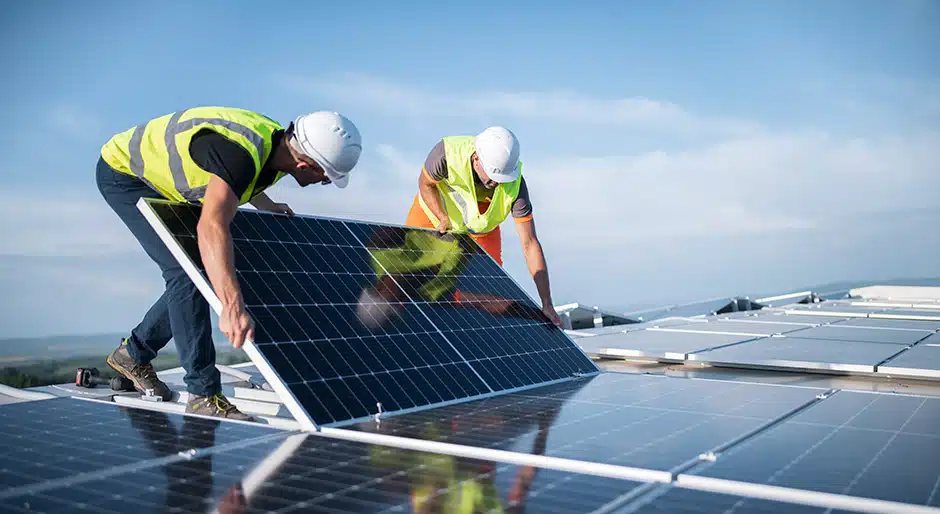
    • Activity involves the installation of the rooftop system by the EPC partner according to the approved design. This includes the mounting of modules with verified structural stability, installation of DC cabling, inverters, and AC evacuation lines. Additionally, earthing, a lightning arrestor, and necessary protection systems are implemented. Internal testing is performed to ensure synchronization and safety. Once completed, the EPC issues an Installation Certificate that confirms the system’s readiness for grid synchronization.

    Step 7: Agreement with DISCOM

    • Agreement drafting occurs only after the submission of the installation certificate and necessary approvals. Following document submission, the DISCOM is required to finalize the agreement, install the meter, and complete commissioning within a 15-day timeframe. The agreement encompasses several key elements: sanctioned capacity, billing and settlement terms (which may include net metering, gross metering, or third-party arrangements), technical responsibilities, and safety compliance. The final output will be a signed Net Metering Agreement.

    Step 8: Metering and Check Meter Installation

    • Meters required for solar energy systems include a bi-directional net meter to record both import and export, a solar generation meter for total generation, and a check meter which is mandatory for systems exceeding 20 kW. The responsibility for supplying and installing these meters lies with the DISCOM, while the cost is to be borne by the consumer. Additionally, meter accuracy must be tested and sealed in accordance with GERC standards.

    Step 9: Synchronization & Commissioning

    • DISCOM engineers successfully synchronized the rooftop solar system with the grid. The tests conducted included the safety relay operation, islanding protection, and meter functionality. Following these tests, a commissioning certificate was issued, indicating that the plant is now operational under net metering regulations.

    Step 10: Billing Integration & Monitoring

    • Billing cycles in DISCOM involve issuing bills that detail import units from the grid, export units to the grid, net units payable, and any surplus purchase credits applicable for residential or government accounts. It’s essential to start by verifying the accuracy of the first bill, ensuring that the calculations for import, export, and set-off conform to policy regulations. Ongoing monitoring is recommended through online portals or IoT dashboards to track generation performance, where comparing monthly outputs against estimates ensures optimal functioning.

    Step 11: Post-Commissioning Compliance

    • Annual inspections may be conducted periodically by CEI/Discom. Regular operations and maintenance (O&M) activities include cleaning the modules 2 to 4 times a month, depending on dust accumulation, maintaining inverters, and performing earthing checks. It is also crucial to keep track of policy updates, particularly regarding tariff revisions that affect surplus purchase rates for residential and government users.

    Boosting Rooftop Solar Adoption in Gujarat

    1. Cost Savings for Consumers

    • One of the primary advantages of the new net metering policy is the significant cost savings for consumers. By exporting excess electricity to the grid, users can lower their electricity bills, often reducing their energy costs by 50% or more. With the increasing affordability of solar panels and installation, rooftop solar becomes an appealing option for a broader range of consumers.

    2. Increased Awareness and Accessibility

    • Gujarat’s government has initiated awareness campaigns to educate consumers about the benefits of solar energy and net metering. These efforts aim to demystify the technology and inform users of the financial advantages. Coupled with simplified procedures and better incentives, this has made rooftop solar more accessible to middle-class households and small businesses.

    3. Support for Commercial and Industrial Users

    • The new policy is particularly beneficial for the commercial and industrial sectors, which have higher electricity demands. With increased capacity limits and better financial incentives, businesses can offset a more substantial portion of their energy needs with rooftop solar systems. This helps industries lower operational costs and meet sustainability goals.

    4. Environmental Impact

    • Gujarat’s commitment to renewable energy is not just about economic benefits; it’s also about reducing the state’s carbon footprint. By promoting rooftop solar adoption, the state contributes to reducing greenhouse gas emissions, improving air quality, and promoting sustainable energy practices. The new policy aligns with India’s national target of achieving 450 GW of renewable energy by 2030.

    5. Job Creation and Economic Growth

    • The growing demand for rooftop solar installations is expected to create jobs in the renewable energy sector, particularly in installation, maintenance, and manufacturing of solar components. This will contribute to Gujarat’s economic growth while supporting the transition to a green economy.

    Conclusion

    Net metering in Gujarat is not just a policy—it is a gateway to energy independence, cost savings, and sustainability. With supportive regulations, transparent processes, and strong government incentives, the state has made it easier than ever for industries, businesses, and households to adopt rooftop solar. For manufacturers and commercial units, net metering ensures direct bottom-line savings by reducing reliance on expensive grid power during peak hours. For households, it brings the joy of contributing to a greener Gujarat while cutting monthly bills. And for the state, every rooftop panel installed is another step toward achieving India’s renewable energy goals.

    The opportunity is clear: the sooner you adopt net metering, the faster you secure savings, reliability, and a sustainable energy future. Net metering isn’t just about savings—it’s about leadership. By adopting rooftop solar, you’re not only lowering your operational costs but also strengthening your ESG profile and showing your commitment to a greener Gujarat. Take the first step with Soleos Solar—your trusted EPC partner.

    Frequently Asked Questions

    Q1. Can a large factory install rooftop PV equal to its full contract demand?
    Yes, for captive and third-party projects there’s no capacity restriction up to sanctioned load/contract demand, subject to the other regulatory limits and feasibility.

    Q2. Is there a hard cap per distribution transformer?
    Your application is cleared against DT headroom; planning guides reference 65% of DT capacity as a cumulative limit. Treat this as a feasibility check item, not a self-assumption—your field TFR will confirm.

    Q3. How fast can we commission after we finish installation?
    Once you submit installation certificates, Discom must complete agreement, metering, and commissioning within 15 days. Keep documents clean to avoid a reset.

    Q4. Are there extra charges for bigger systems?
    Up to 6 kW aggregate is socialized; above 6 kW (which includes most C&I), system-strengthening charges are recoverable from the applicant as per approved per-kW (LT) or per-kVA (HT) schedules.

    Q5. If we over-generate, do we get paid?
    Residential/Government have surplus purchase constructs (₹2.25/kWh for the first 5 years, then a formula keyed to GUVNL averages). For C&I captive, design to minimize surplus within 07:00–18:00; explore hybrid strategies if surplus is expected.